Islamic wall art for every room
Qur'an verses, Arabic words, geometric patterns and Mist watercolours. Prints from £29.
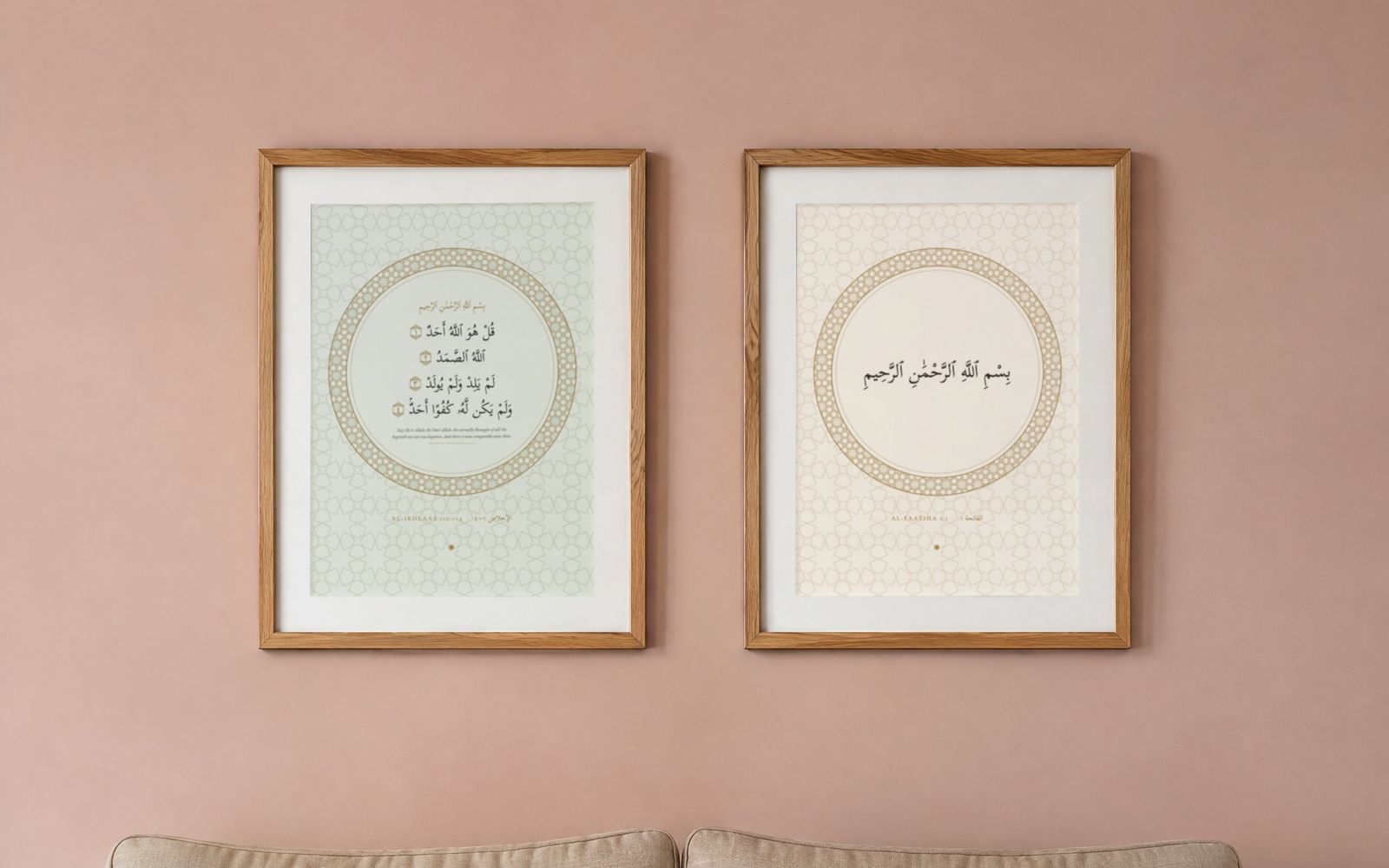
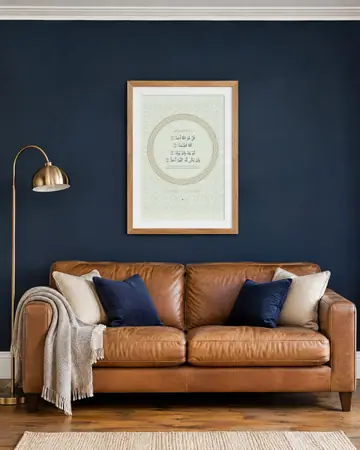
Living room wall · Surah Al-Ikhlas in a circle · Bismillah in a circle · Shop Qur'an verses
Children's names, words and du'a for a child's room. A piece with a Qur'an verse goes on a wall at eye level, never above the cot. Hanging it with respect
Kufic lettering · Early Qur'an manuscripts · 8th to 10th century
About Kufic lettering
Kufic is the angular, upright script of the earliest Qur'an manuscripts, such as the gold-on-blue "Blue Qur'an" of the 9th to 10th century. Our Kufi words are set in Reem Kufi, a typeface drawn from those early Qur'an models and the Fatimid Kufic grid.
Sources: The Met, object 454662, The Met, essay, Wikipedia: Kufic, Google Fonts
Andalusian arches · Córdoba, al-Andalus · Begun 785
About Andalusian arches
The Great Mosque of Córdoba was begun in 785 under Abd al-Rahman I and enlarged until the late 10th century. Its rows of double arches, with horseshoe arches below, alternate red brick and white stone.
Sources: Khan Academy, Wikipedia: Mosque–Cathedral of Córdoba
Naskh lettering · Qur'an copying, then print · From the 11th century
About Naskh lettering
Naskh is a small, rounded script that is easy to read, and from the 11th century it replaced Kufic as the usual hand for copying the Qur'an. Our Naskh words are set in Scheherazade New, a traditional naskh typeface.
Sources: The Met, object 140008771, Wikipedia: Naskh (script), SIL
Persian girih · Iran and Central Asia · About 1000 to the 15th century
About Persian girih
Girih, Persian for "knot", is strapwork of straight interlacing lines that flourished on buildings from about 1000 to the 15th century. Ten-point patterns can be built from a few shapes, decagons, bow-ties and hexagons, as traced at the Darb-i Imam shrine in Isfahan (1453).
Sources: Wikipedia: Girih, Wikipedia: Girih tiles, Nature
Star and cross tiles · Ilkhanid Iran · About 1270 to 1280
About Star and cross tiles
Panels of eight-point star tiles fitted together with crosses lined the walls of many Ilkhanid buildings in northern Iran, often lustre tiles probably made in Kashan. The Ilkhanid summer palace at Takht-i Sulaiman was dressed in them around 1270 to 1280.
Sources: The Met, essay, The Met, object 450434, The Met, object 450453, LACMA
Moroccan zellige · Fez, Morocco · 14th century to today
About Moroccan zellige
Zellige is mosaic made from hand-cut pieces of glazed tile, fitted together into star patterns, and from the 14th century it lined walls, fountains and floors across the western Islamic world. In Fez it covers Marinid madrasas such as al-Attarine (1323 to 1325), and Morocco still makes it today.
Ruq'ah lettering · Ottoman Istanbul · 19th century
About Ruq'ah lettering
Ruq'ah is the quick, plain everyday hand standardised in the 19th century by the Ottoman calligraphers Mumtaz Efendi and Mustafa Izzet Efendi, and it is the most common style of Arabic handwriting today. Our Ruq'ah words are set in Aref Ruqaa, a typeface after the classical Ruq'ah style.
Sources: Wikipedia: Ruqʿah script, Monotype, Google Fonts
Names, du'a, Bismillah and blessings for a new home.
Qur'an verses
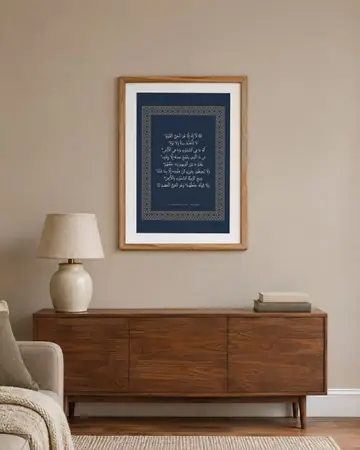
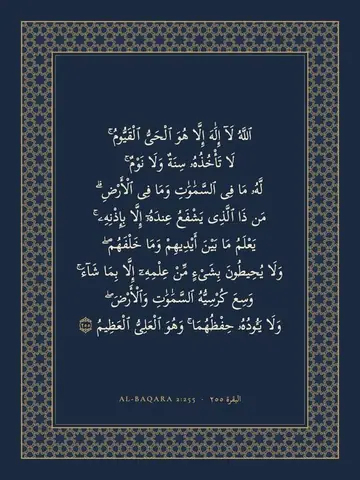 Ayat al-Kursi, geometric border Al-Baqara 2:255 From £29 Print · Hahnemühle Photo Rag 308 gsm
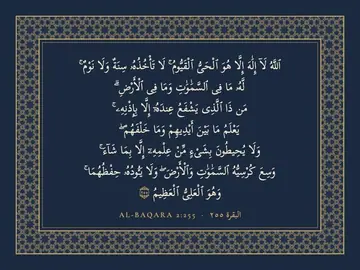
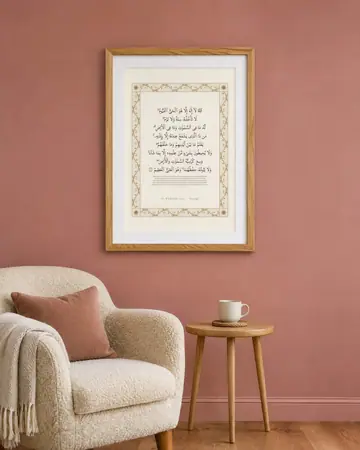
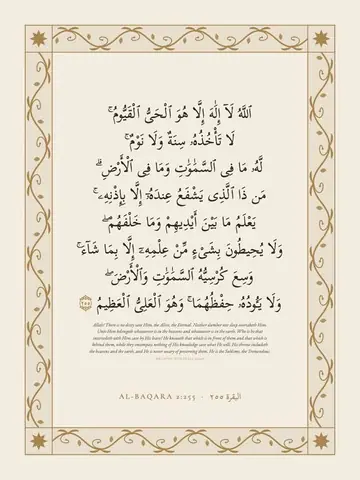 Ayat al-Kursi, arabesque frame Al-Baqara 2:255 From £29 Print · Hahnemühle Photo Rag 308 gsm
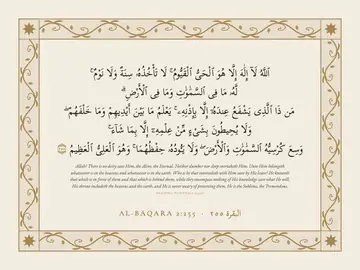
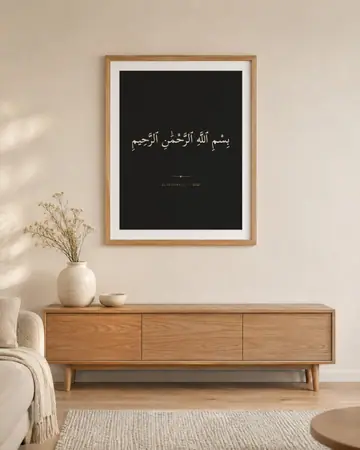
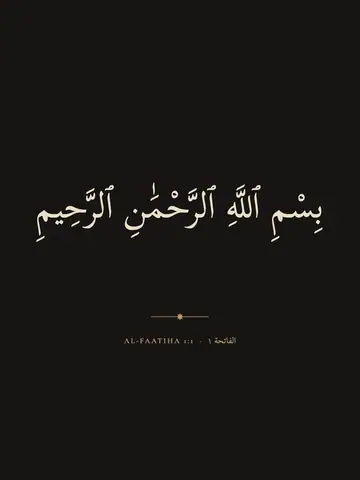 Bismillah, minimal Al-Faatiha 1:1 From £29 Print · Hahnemühle Photo Rag 308 gsm
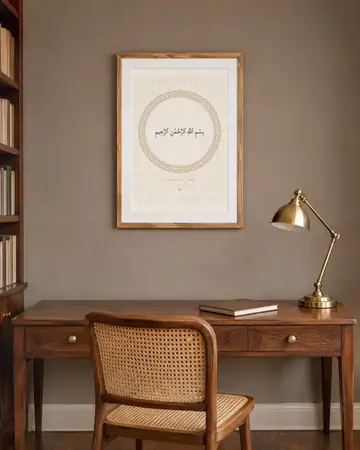
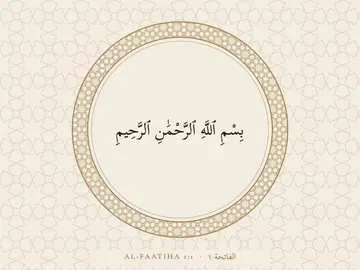
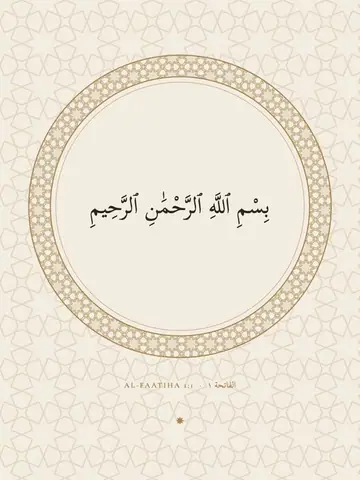 Bismillah in a circle Al-Faatiha 1:1 From £29 Print · Hahnemühle Photo Rag 308 gsm
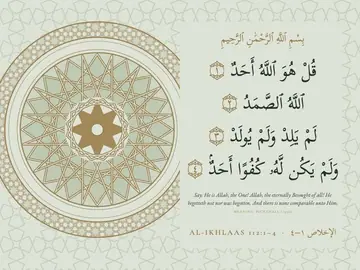
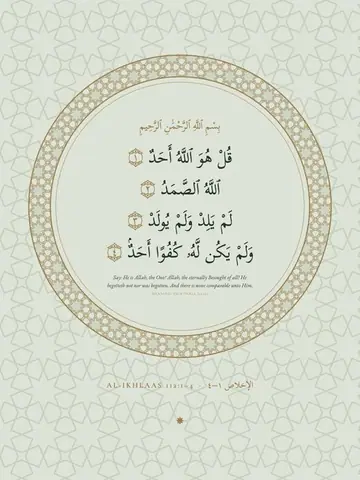 Surah Al-Ikhlas in a circle Al-Ikhlaas 112:1–4 From £29 Print · Hahnemühle Photo Rag 308 gsm
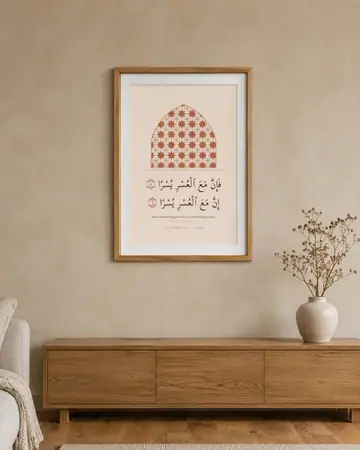
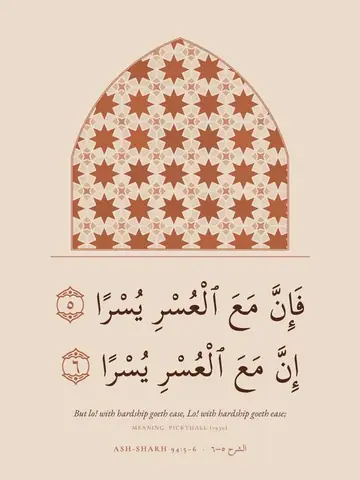 With hardship comes ease, arch Ash-Sharh 94:5–6 From £29 Print · Hahnemühle Photo Rag 308 gsm
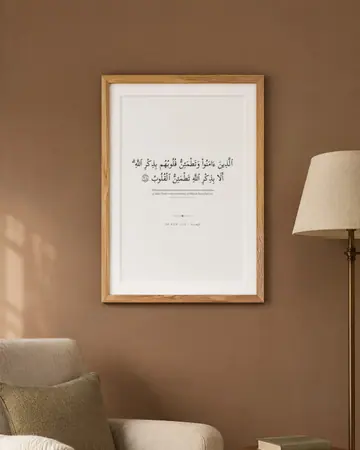
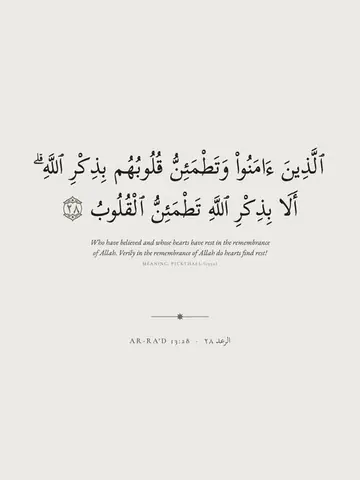 Hearts find rest, minimal Ar-Ra'd 13:28 From £29 Print · Hahnemühle Photo Rag 308 gsm
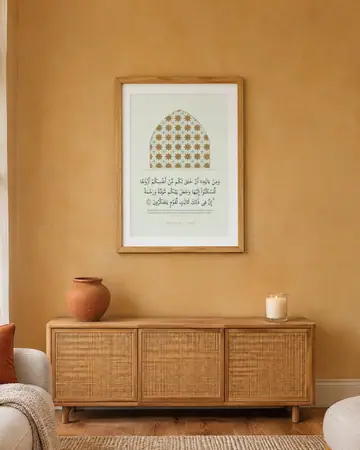
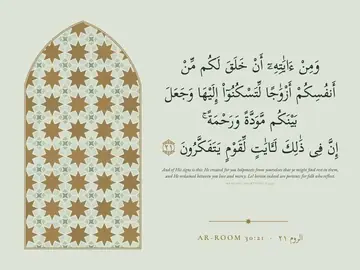
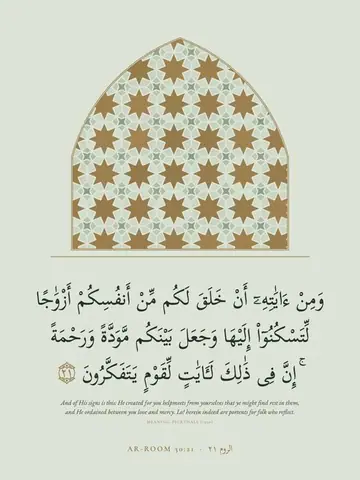 Love and mercy (home), arch Ar-Room 30:21 From £29 Print · Hahnemühle Photo Rag 308 gsm
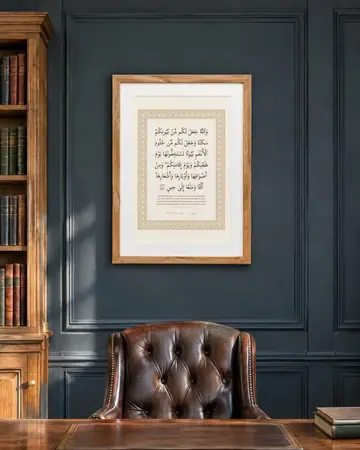
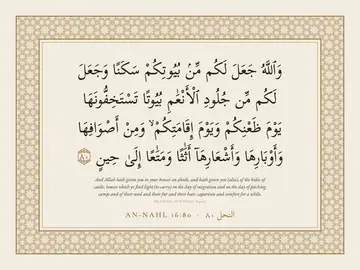
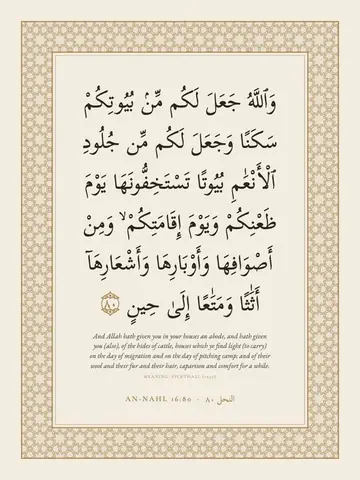 Your homes, a place of rest An-Nahl 16:80 From £29 Print · Hahnemühle Photo Rag 308 gsm
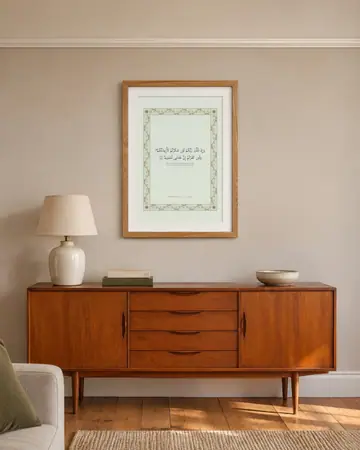
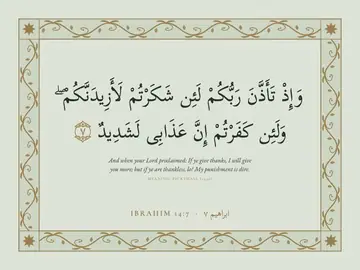
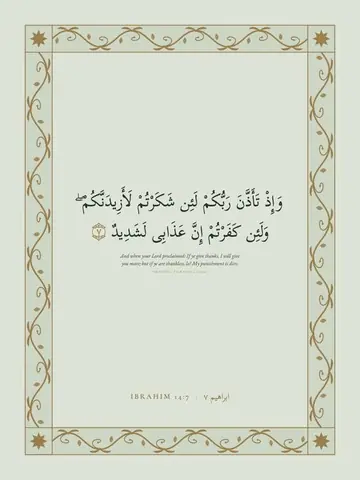 If you are grateful, arabesque Ibrahim 14:7 From £29 Print · Hahnemühle Photo Rag 308 gsm
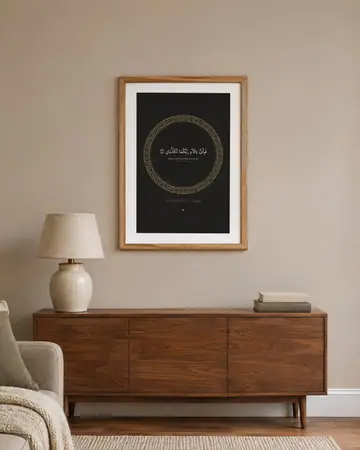
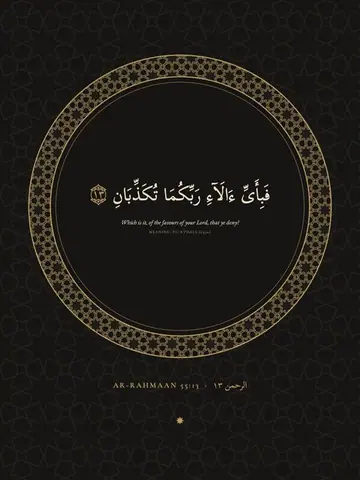 Which of the favours, circle Ar-Rahmaan 55:13 From £29 Print · Hahnemühle Photo Rag 308 gsm
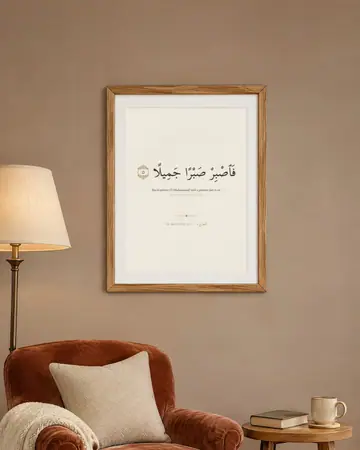
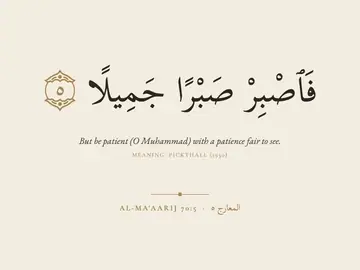
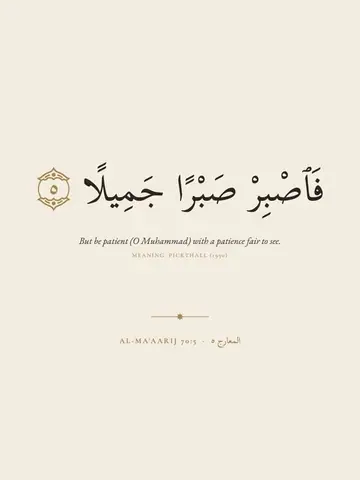 A beautiful patience, minimal Al-Ma'aarij 70:5 From £29 Print · Hahnemühle Photo Rag 308 gsm
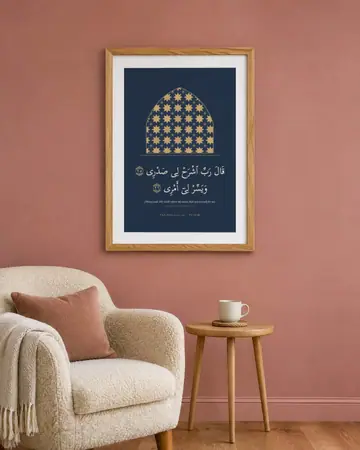
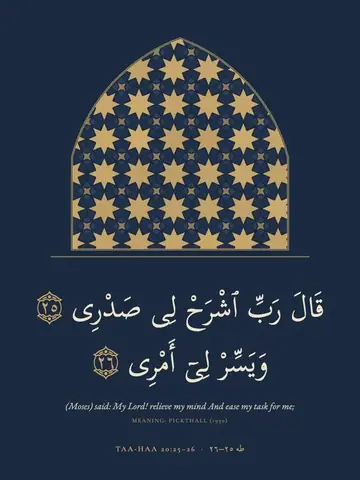 My Lord, expand my chest, arch Taa-Haa 20:25–26 From £29 Print · Hahnemühle Photo Rag 308 gsm
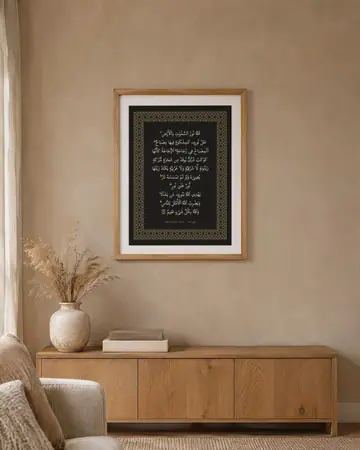
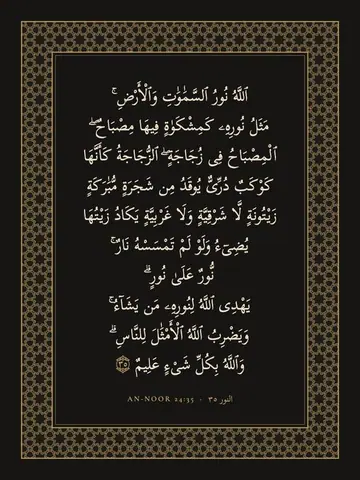 Ayat an-Nur, the Light Verse An-Noor 24:35 From £29 Print · Hahnemühle Photo Rag 308 gsm
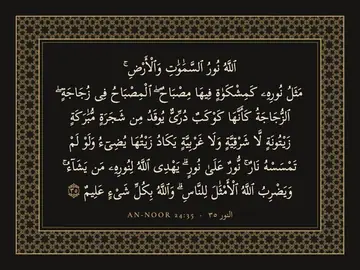
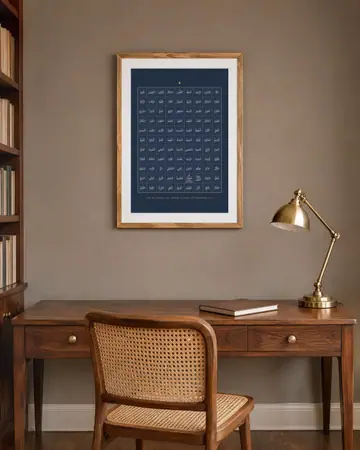
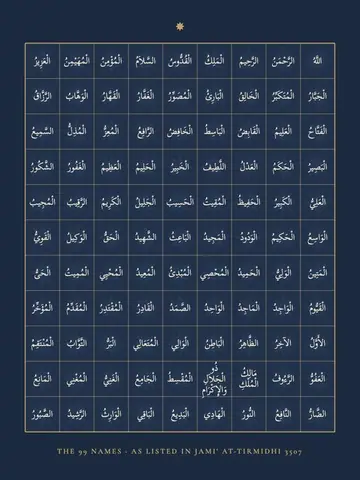 The 99 Names, navy Jami' at-Tirmidhi 3507 From £29 Print · Hahnemühle Photo Rag 308 gsm
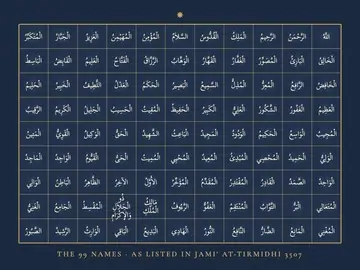
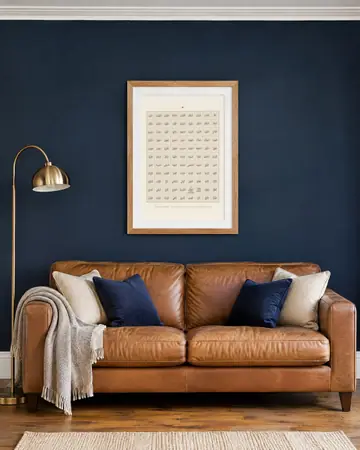
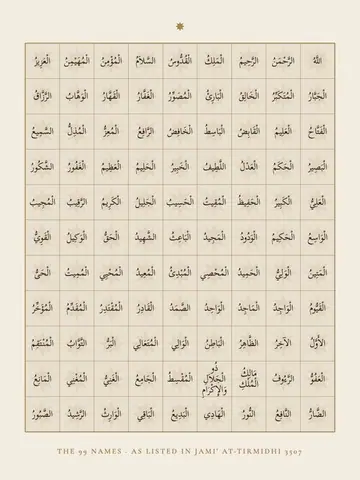 The 99 Names, cream Jami' at-Tirmidhi 3507 From £29 Print · Hahnemühle Photo Rag 308 gsm
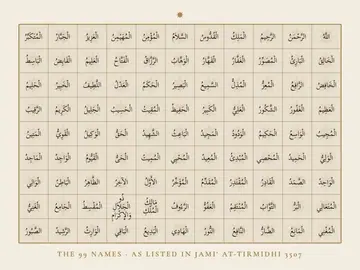
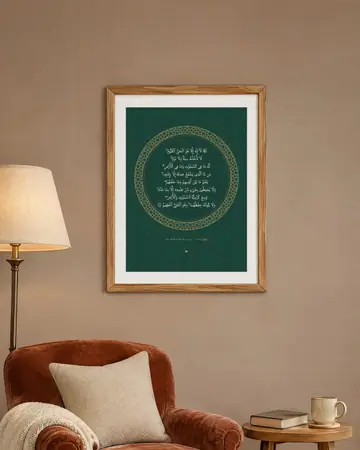
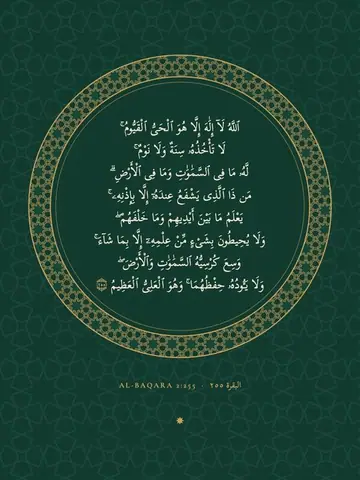 Ayat al-Kursi, Madinah Mushaf script Al-Baqara 2:255 From £29 Print · Hahnemühle Photo Rag 308 gsm
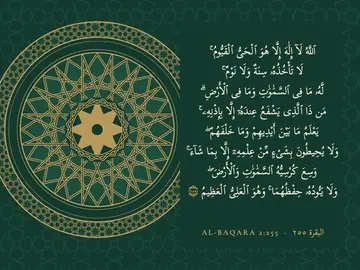
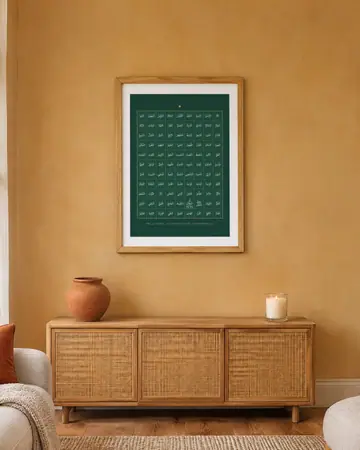
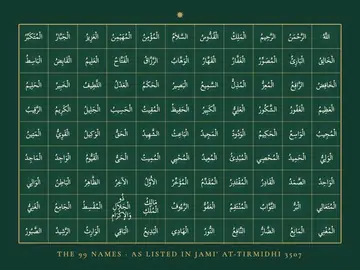
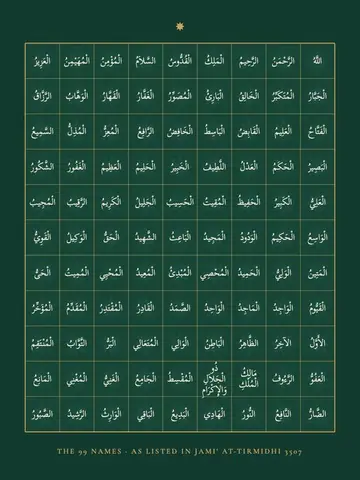 The 99 Names, emerald Jami' at-Tirmidhi 3507 From £29 Print · Hahnemühle Photo Rag 308 gsm
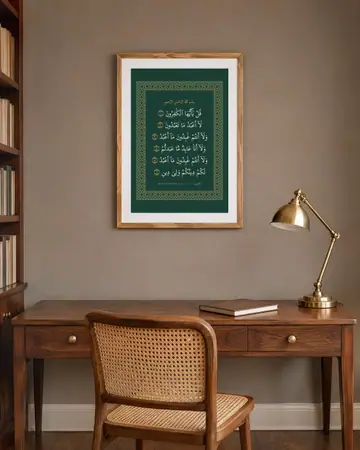
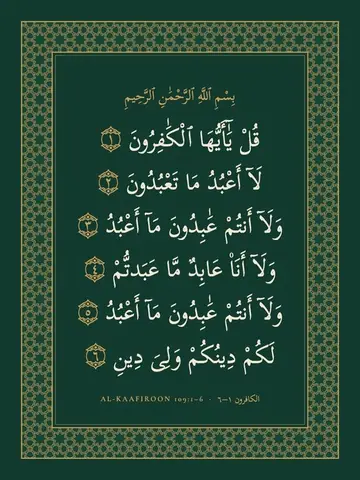 Al-Kafirun (the four Quls) Al-Kaafiroon 109:1–6 From £29 Print · Hahnemühle Photo Rag 308 gsm
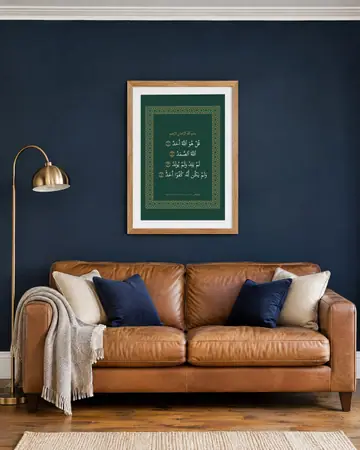
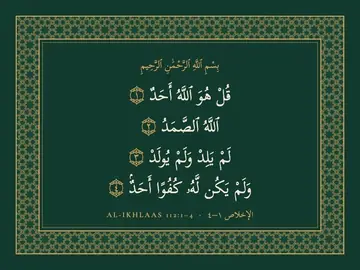
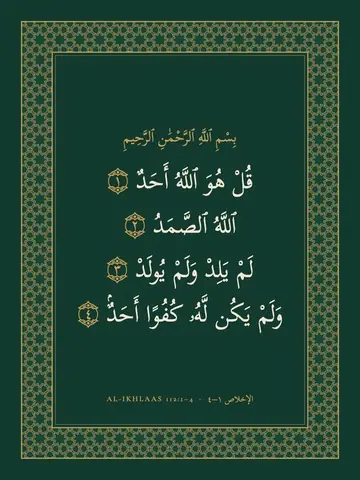 Al-Ikhlas (the four Quls) Al-Ikhlaas 112:1–4 From £29 Print · Hahnemühle Photo Rag 308 gsm
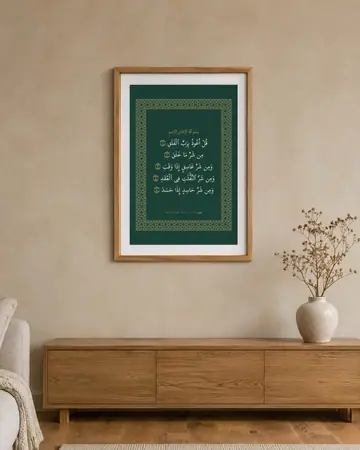
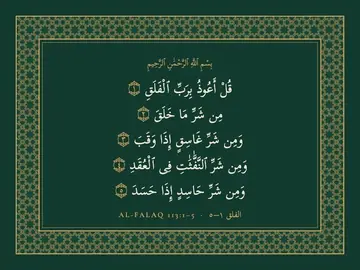
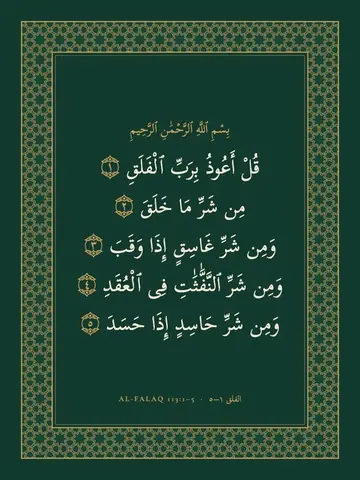 Al-Falaq (the four Quls) Al-Falaq 113:1–5 From £29 Print · Hahnemühle Photo Rag 308 gsm
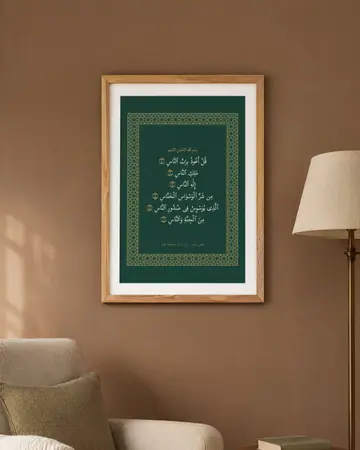
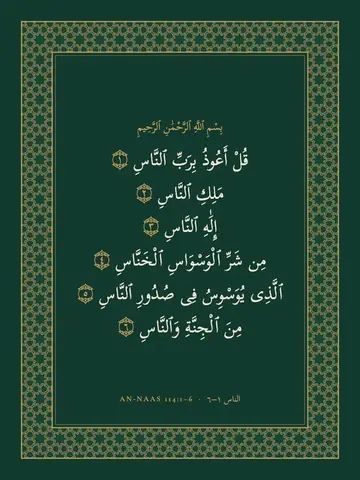 An-Nas (the four Quls) An-Naas 114:1–6 From £29 Print · Hahnemühle Photo Rag 308 gsm
Arabic words
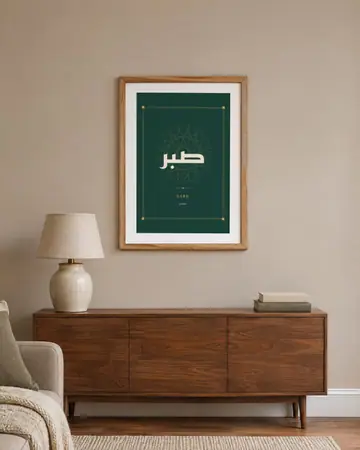
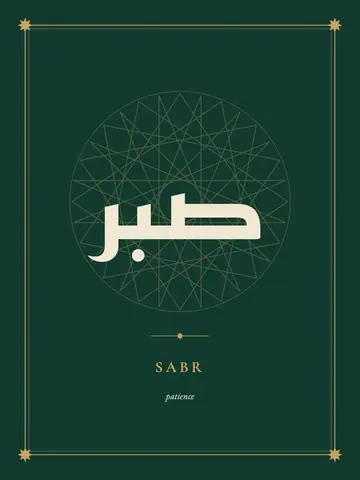 Sabr, patience (Kufi) Sabr, patience From £29 Print · Hahnemühle Photo Rag 308 gsm
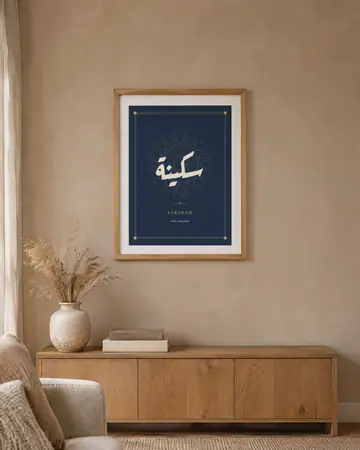
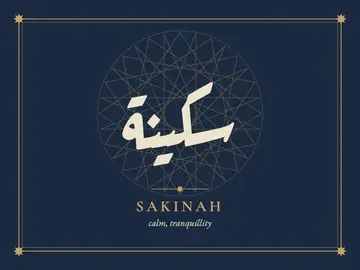
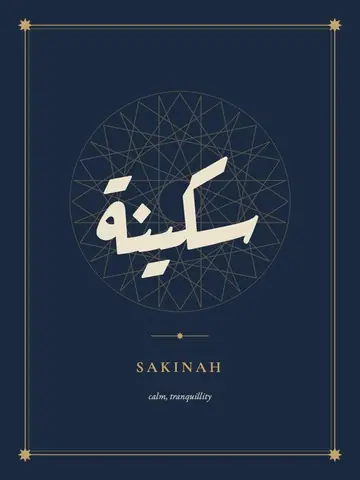 Sakinah, tranquillity (Ruq'ah) Sakinah, calm, tranquillity From £29 Print · Hahnemühle Photo Rag 308 gsm
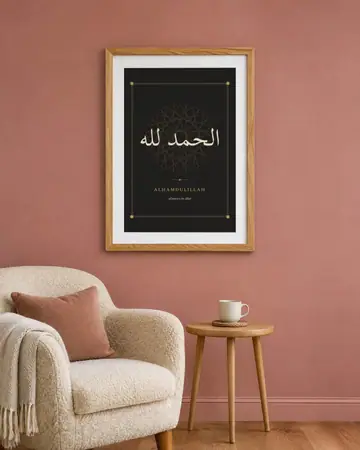
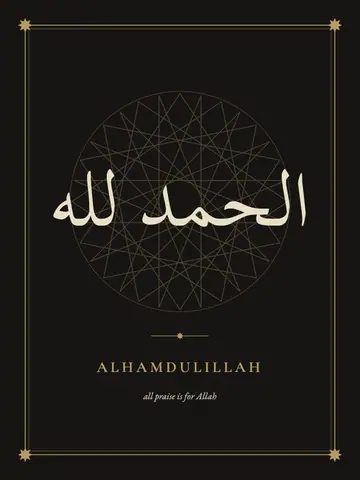 Alhamdulillah (Naskh) Alhamdulillah, all praise is for Allah From £29 Print · Hahnemühle Photo Rag 308 gsm
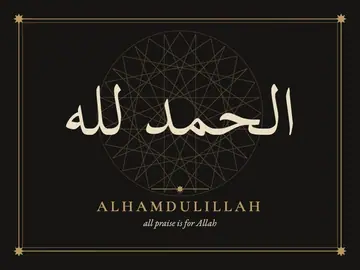
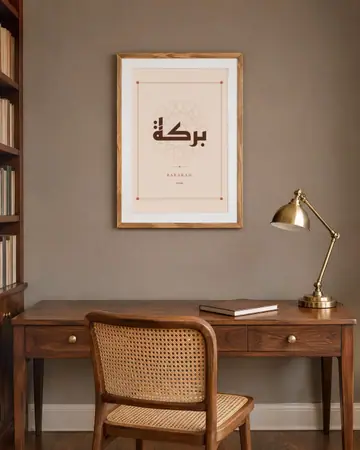
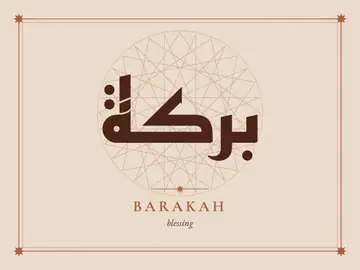
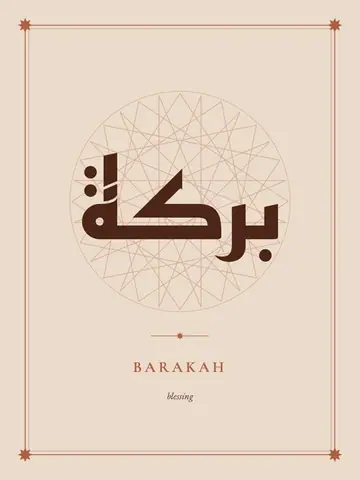 Barakah, blessing (Kufi) Barakah, blessing From £29 Print · Hahnemühle Photo Rag 308 gsm
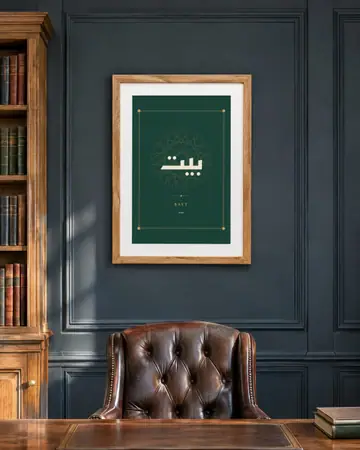
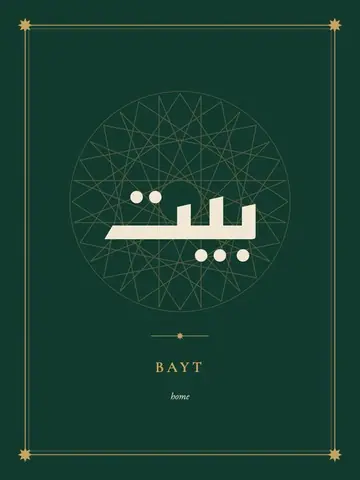 Bayt, home (Kufi) Bayt, home From £29 Print · Hahnemühle Photo Rag 308 gsm
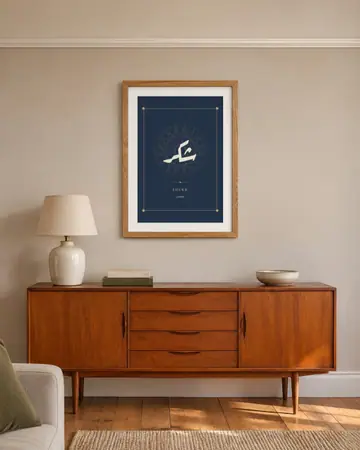
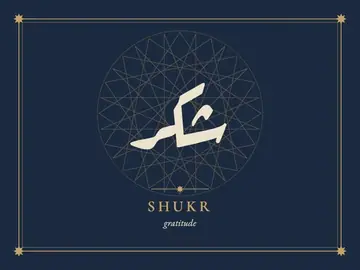
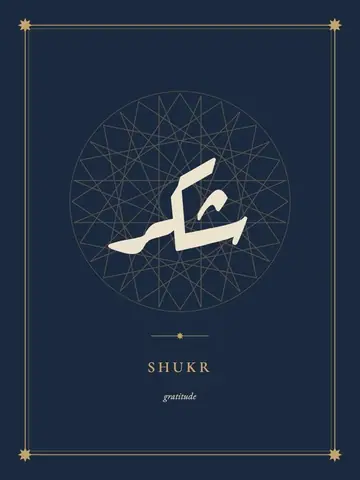 Shukr, gratitude (Ruq'ah) Shukr, gratitude From £29 Print · Hahnemühle Photo Rag 308 gsm
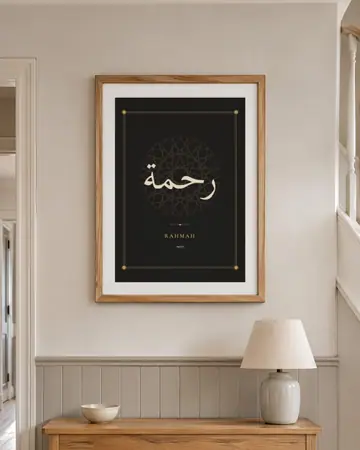
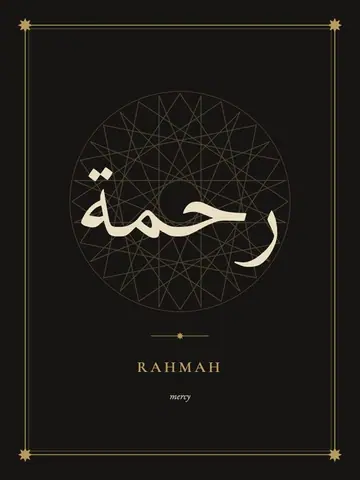 Rahmah, mercy (Naskh) Rahmah, mercy From £29 Print · Hahnemühle Photo Rag 308 gsm
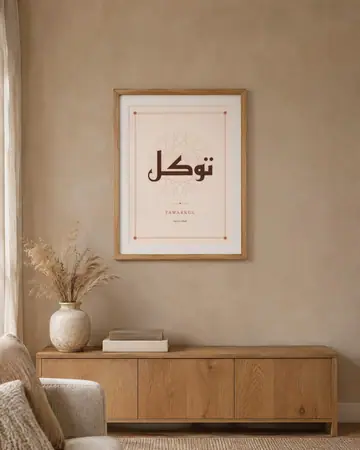
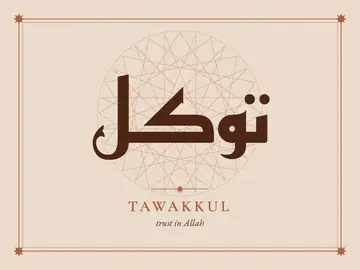
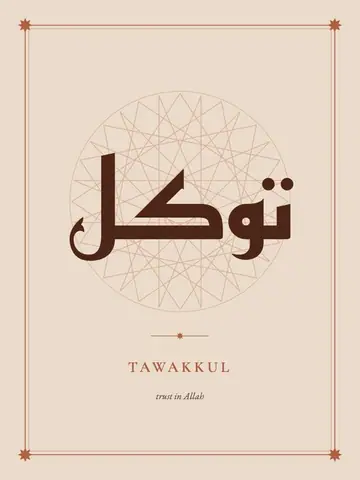 Tawakkul, trust in Allah (Kufi) Tawakkul, trust in Allah From £29 Print · Hahnemühle Photo Rag 308 gsm
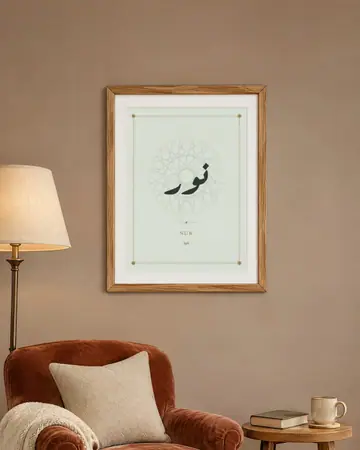
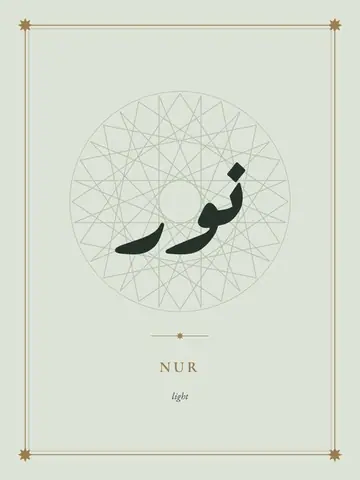 Nur, light (Ruq'ah) Nur, light From £29 Print · Hahnemühle Photo Rag 308 gsm
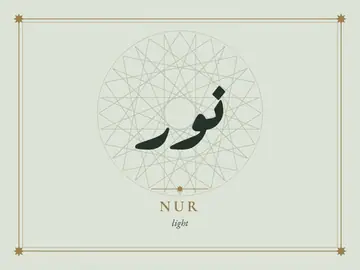
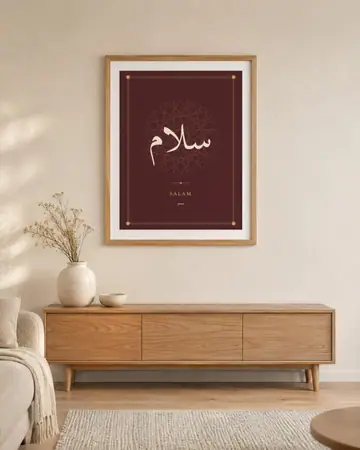
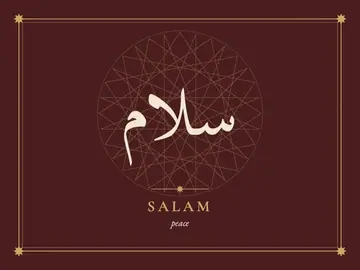
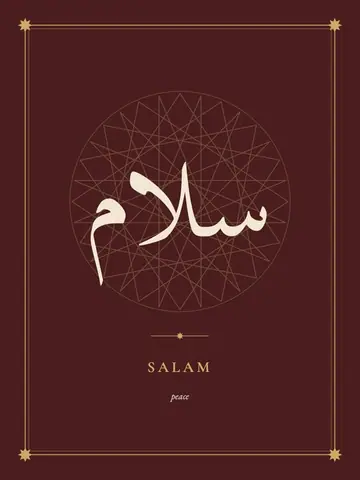 Salam, peace (Naskh) Salam, peace From £29 Print · Hahnemühle Photo Rag 308 gsm
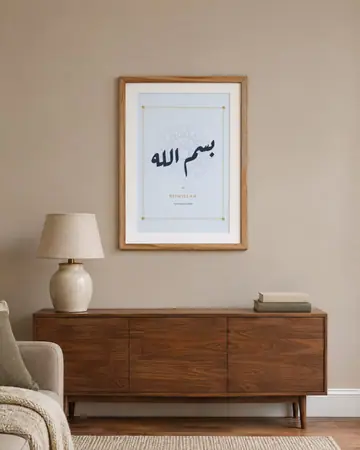
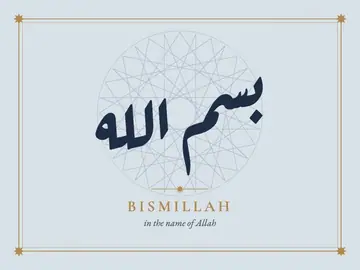
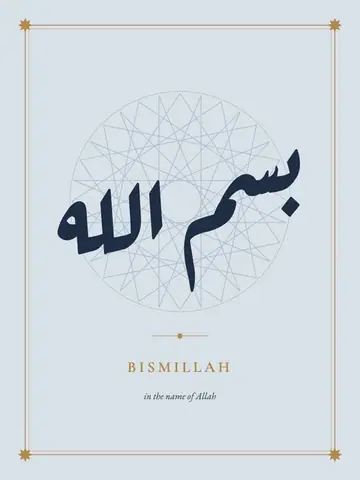 Bismillah, in the name of Allah (Ruq'ah) Bismillah, in the name of Allah From £29 Print · Hahnemühle Photo Rag 308 gsm
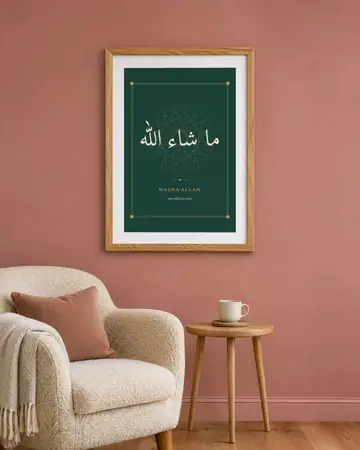
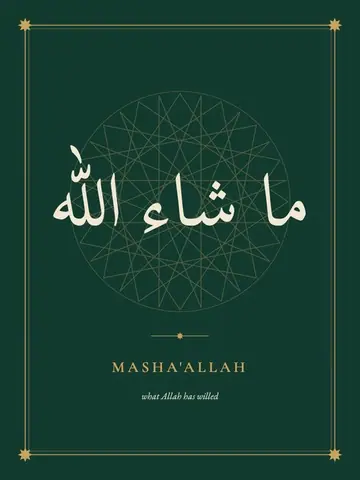 Masha'Allah, what Allah has willed (Naskh) Masha'Allah, what Allah has willed From £29 Print · Hahnemühle Photo Rag 308 gsm
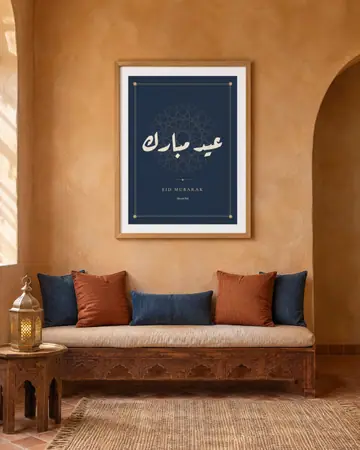
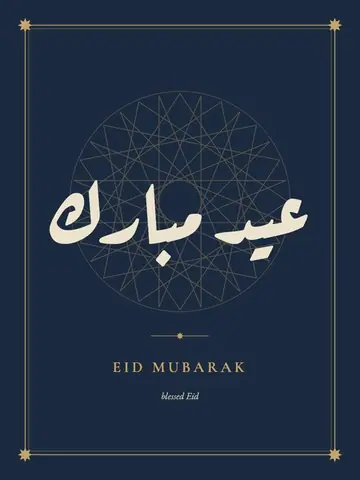 Eid Mubarak, blessed Eid (Ruq'ah) Eid Mubarak, blessed Eid From £29 Print · Hahnemühle Photo Rag 308 gsm
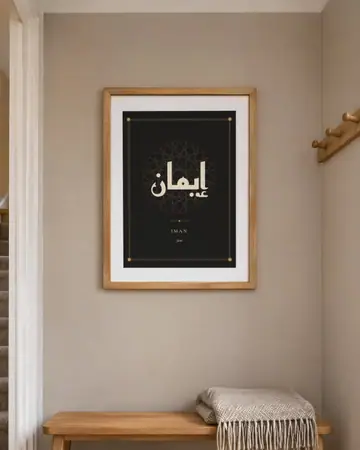
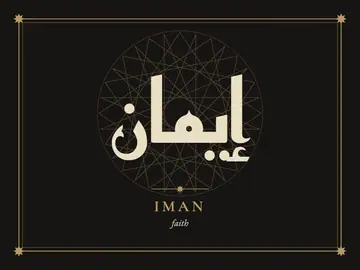
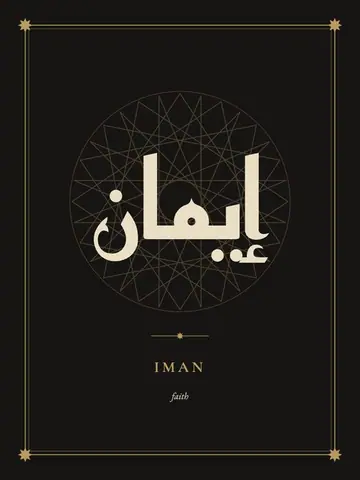 Iman, faith (Kufi) Iman, faith From £29 Print · Hahnemühle Photo Rag 308 gsm
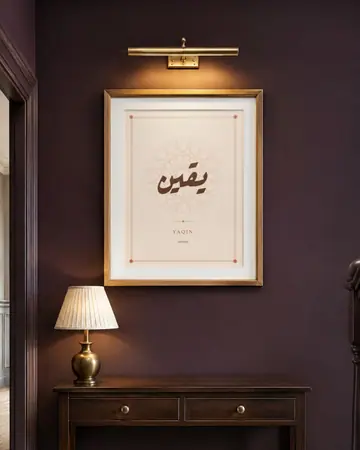
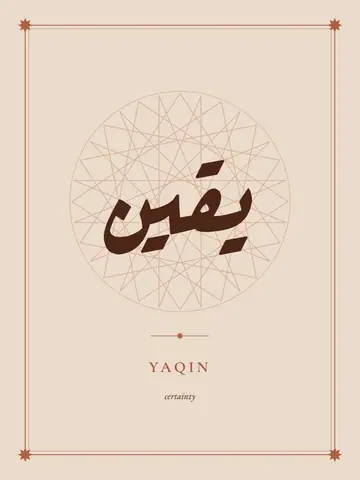 Yaqin, certainty (Ruq'ah) Yaqin, certainty From £29 Print · Hahnemühle Photo Rag 308 gsm
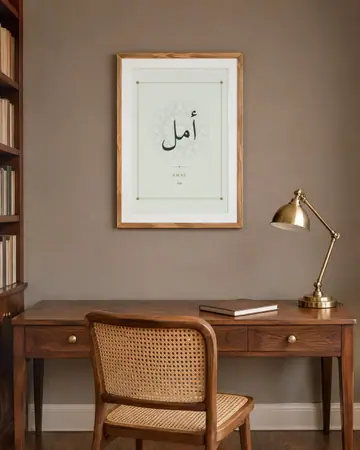
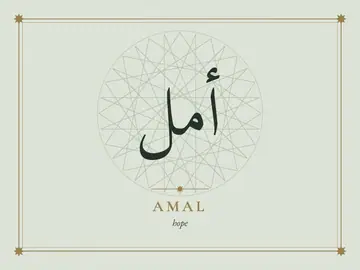
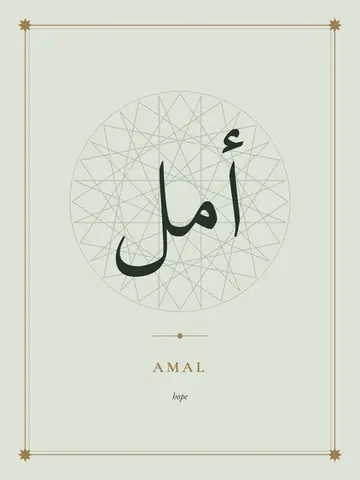 Amal, hope (Naskh) Amal, hope From £29 Print · Hahnemühle Photo Rag 308 gsm
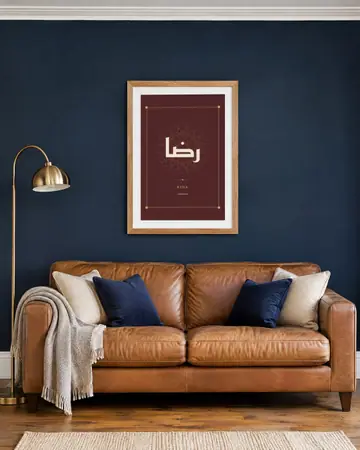
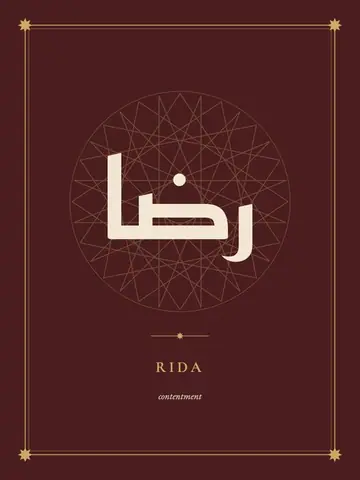 Rida, contentment (Kufi) Rida, contentment From £29 Print · Hahnemühle Photo Rag 308 gsm
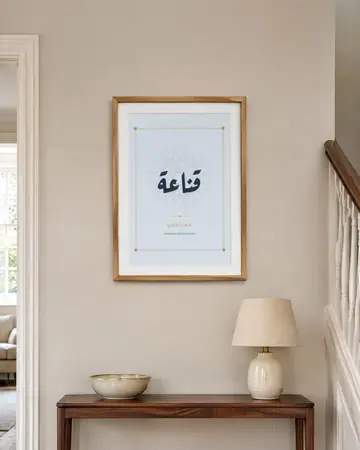
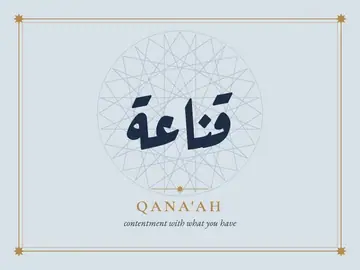
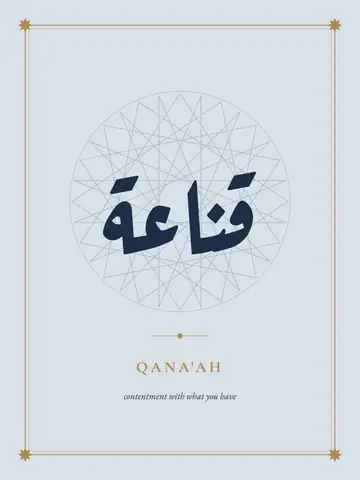 Qana'ah, contentment with what you have (Ruq'ah) Qana'ah, contentment with what you have From £29 Print · Hahnemühle Photo Rag 308 gsm
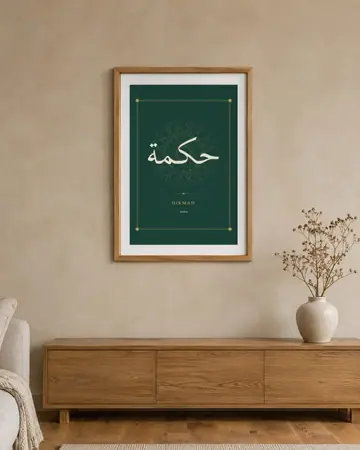
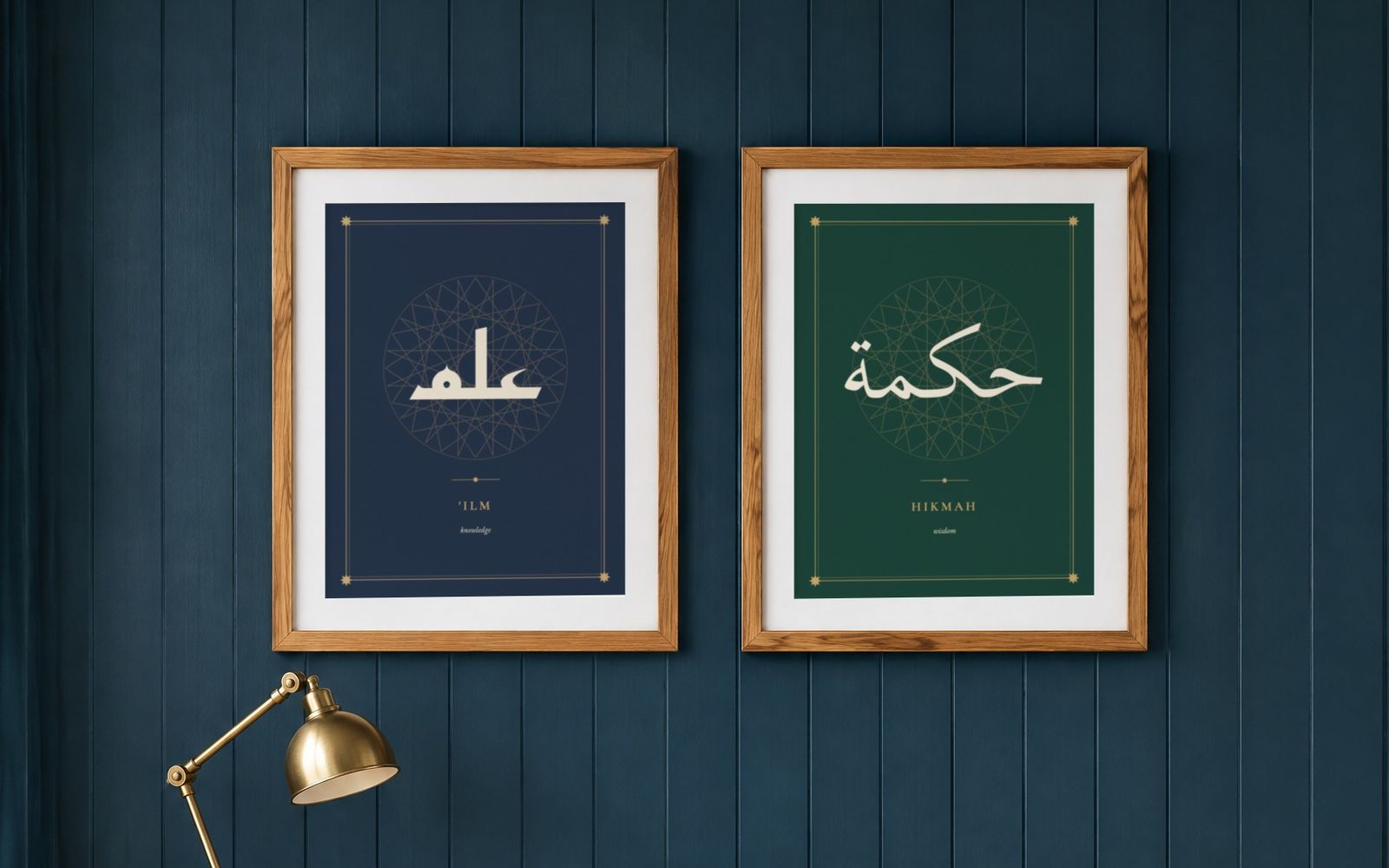
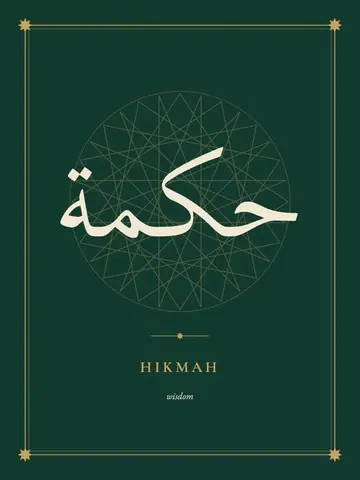 Hikmah, wisdom (Naskh) Hikmah, wisdom From £29 Print · Hahnemühle Photo Rag 308 gsm
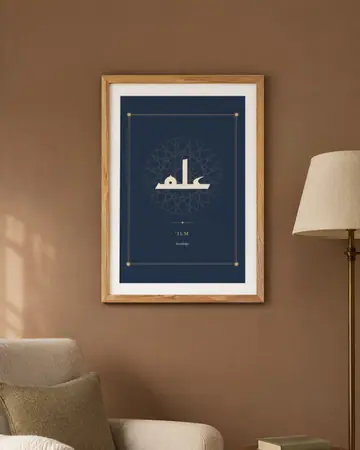
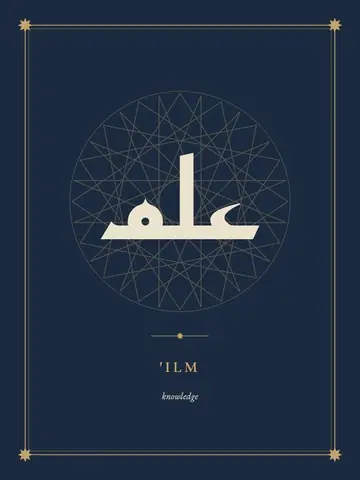 'Ilm, knowledge (Kufi) 'Ilm, knowledge From £29 Print · Hahnemühle Photo Rag 308 gsm
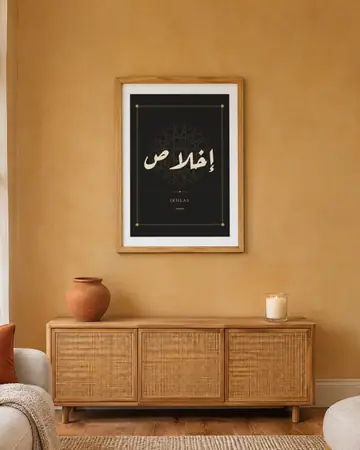
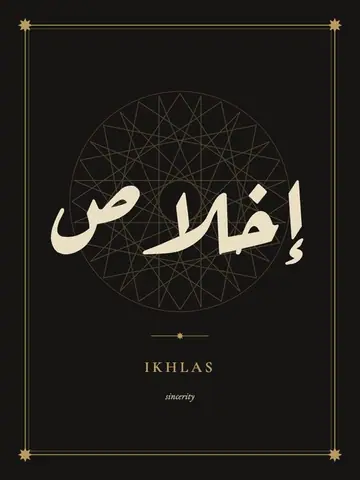 Ikhlas, sincerity (Ruq'ah) Ikhlas, sincerity From £29 Print · Hahnemühle Photo Rag 308 gsm
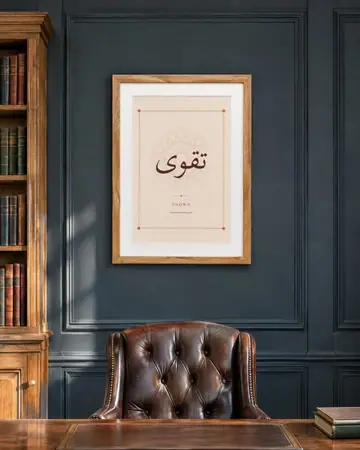
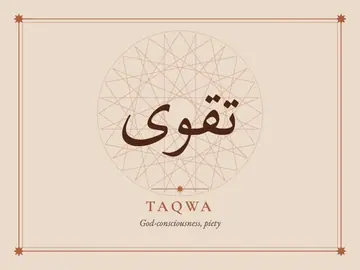
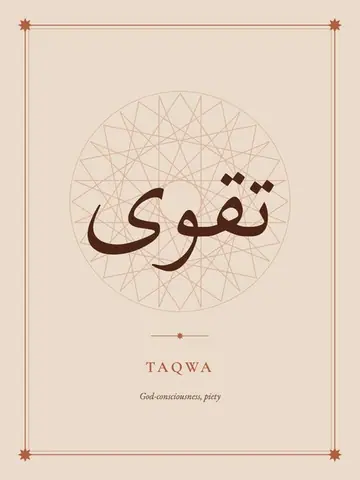 Taqwa, God-consciousness, piety (Naskh) Taqwa, God-consciousness, piety From £29 Print · Hahnemühle Photo Rag 308 gsm
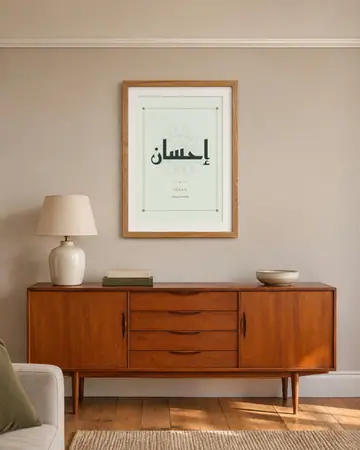
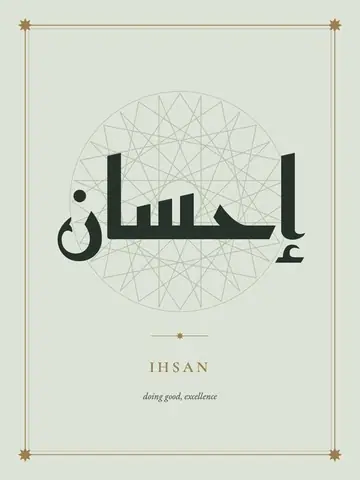 Ihsan, doing good, excellence (Kufi) Ihsan, doing good, excellence From £29 Print · Hahnemühle Photo Rag 308 gsm
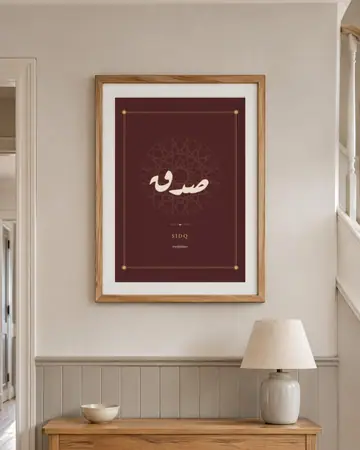
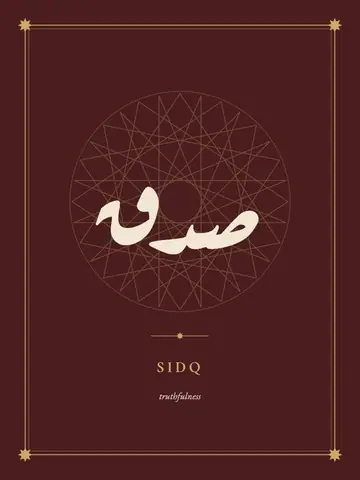 Sidq, truthfulness (Ruq'ah) Sidq, truthfulness From £29 Print · Hahnemühle Photo Rag 308 gsm
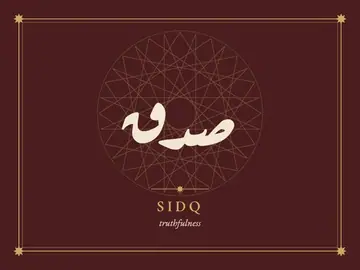
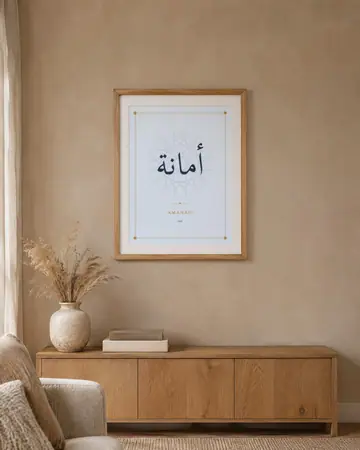
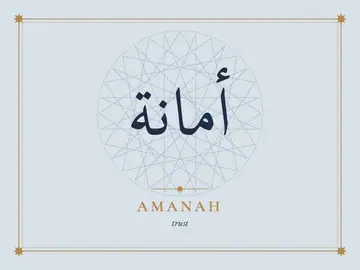
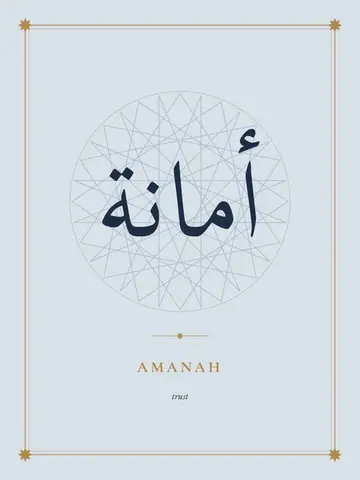 Amanah, trust (Naskh) Amanah, trust From £29 Print · Hahnemühle Photo Rag 308 gsm
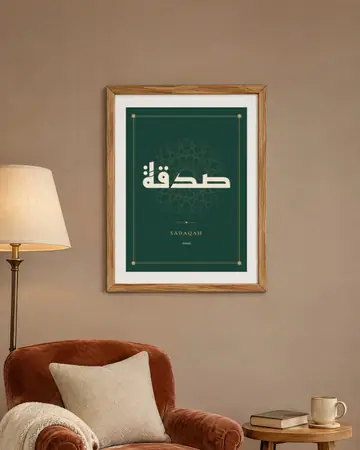
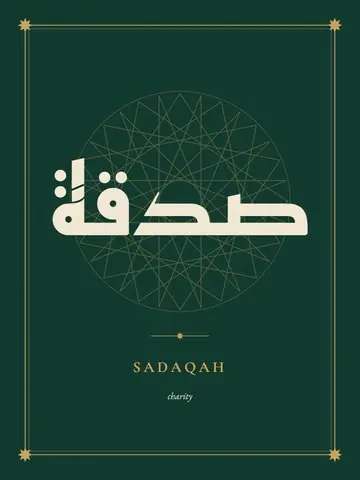 Sadaqah, charity (Kufi) Sadaqah, charity From £29 Print · Hahnemühle Photo Rag 308 gsm
 Hayat, life (Ruq'ah) Hayat, life From £29 Print · Hahnemühle Photo Rag 308 gsm
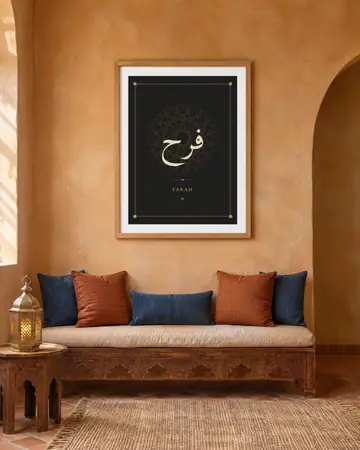
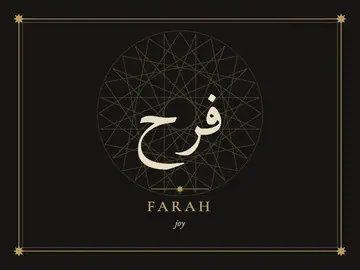
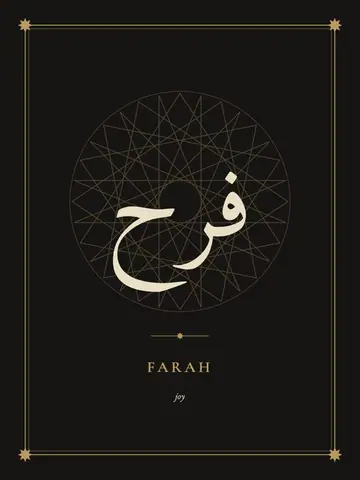 Farah, joy (Naskh) Farah, joy From £29 Print · Hahnemühle Photo Rag 308 gsm
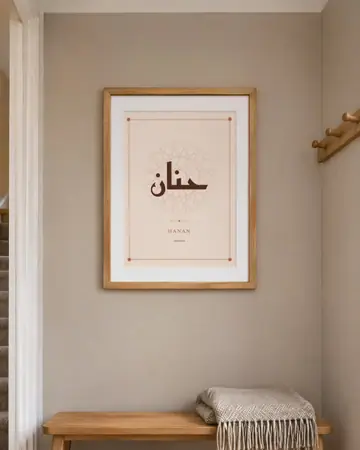
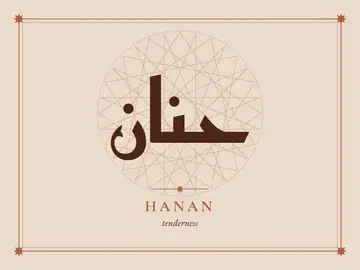
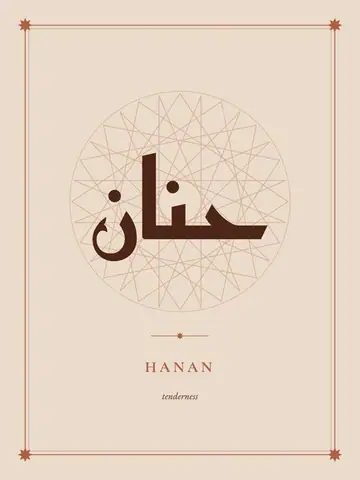 Hanan, tenderness (Kufi) Hanan, tenderness From £29 Print · Hahnemühle Photo Rag 308 gsm
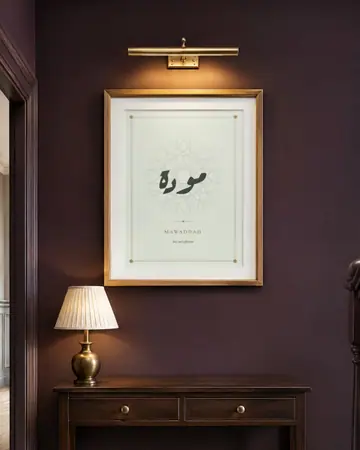
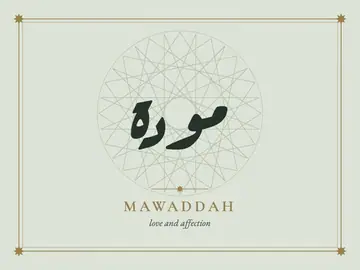
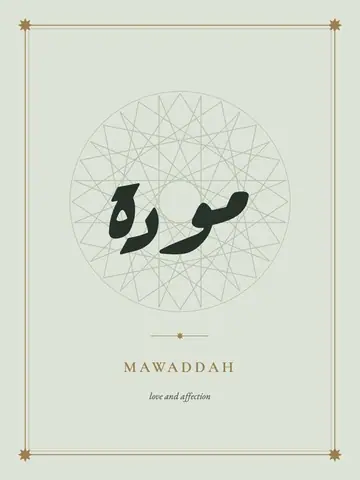 Mawaddah, love and affection (Ruq'ah) Mawaddah, love and affection From £29 Print · Hahnemühle Photo Rag 308 gsm
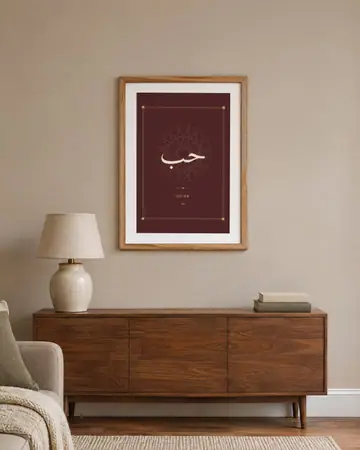
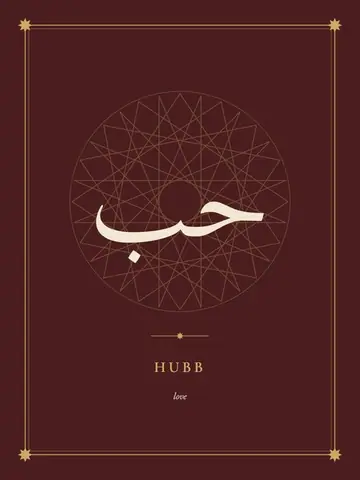 Hubb, love (Naskh) Hubb, love From £29 Print · Hahnemühle Photo Rag 308 gsm
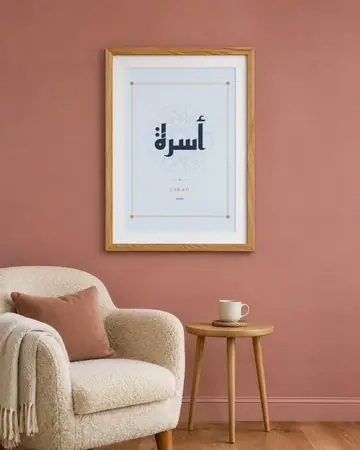
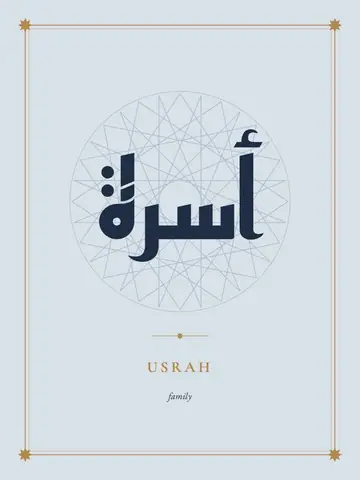 Usrah, family (Kufi) Usrah, family From £29 Print · Hahnemühle Photo Rag 308 gsm
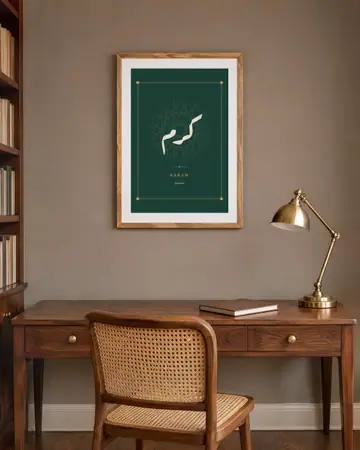
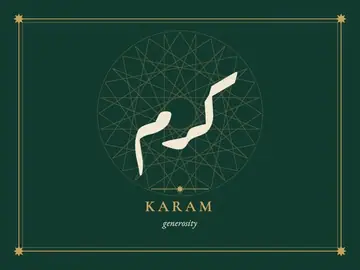
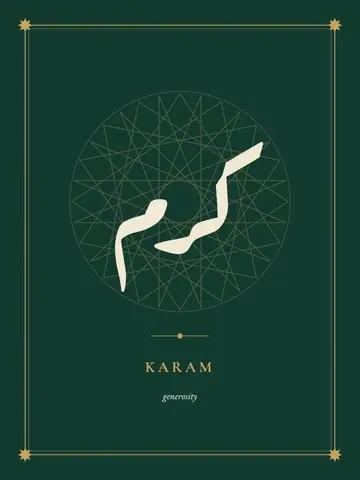 Karam, generosity (Ruq'ah) Karam, generosity From £29 Print · Hahnemühle Photo Rag 308 gsm
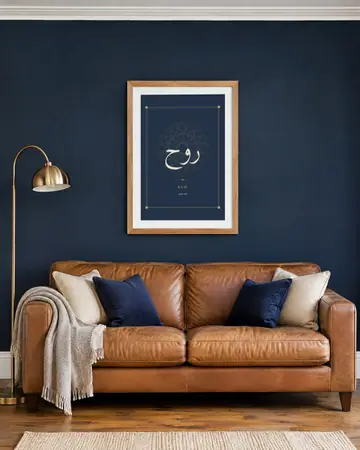
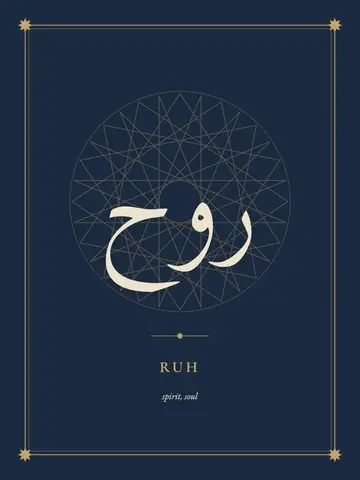 Ruh, spirit, soul (Naskh) Ruh, spirit, soul From £29 Print · Hahnemühle Photo Rag 308 gsm
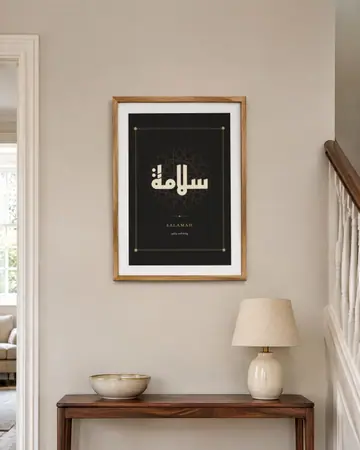
 Salamah, safety, well-being (Kufi) Salamah, safety, well-being From £29 Print · Hahnemühle Photo Rag 308 gsm
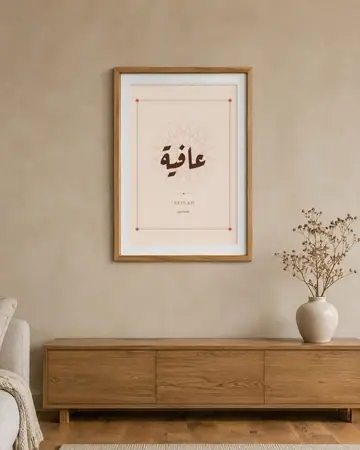
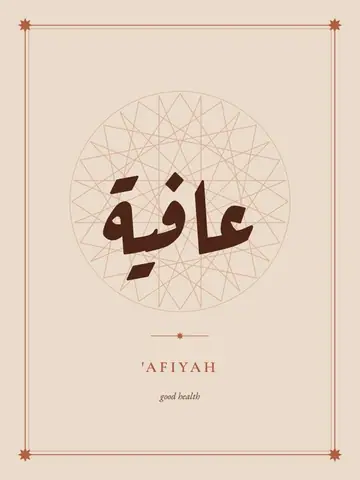 'Afiyah, good health (Ruq'ah) 'Afiyah, good health From £29 Print · Hahnemühle Photo Rag 308 gsm
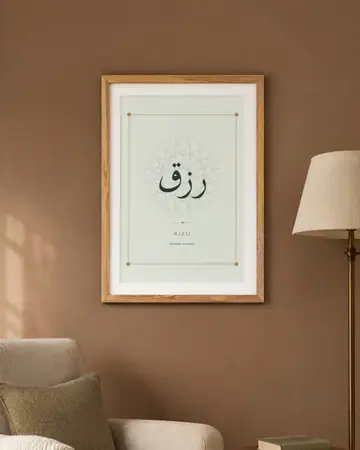
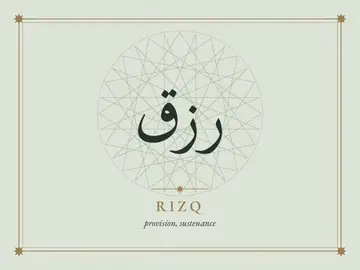
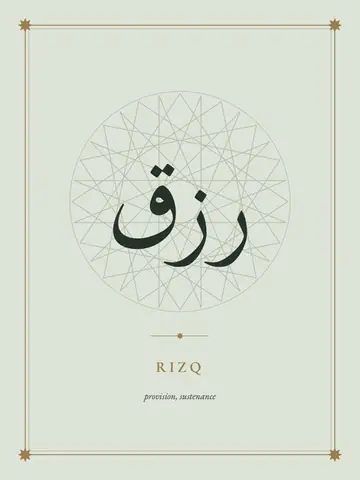 Rizq, provision, sustenance (Naskh) Rizq, provision, sustenance From £29 Print · Hahnemühle Photo Rag 308 gsm
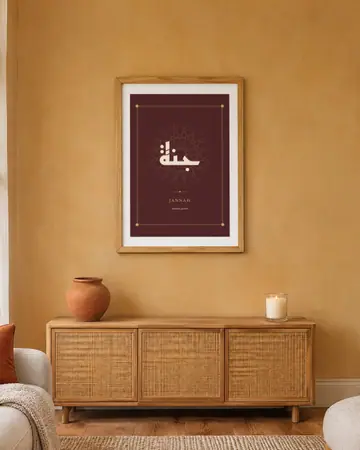
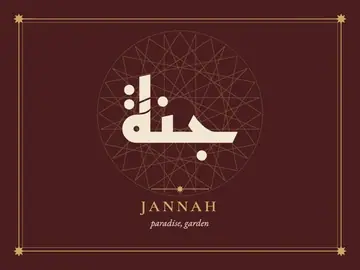
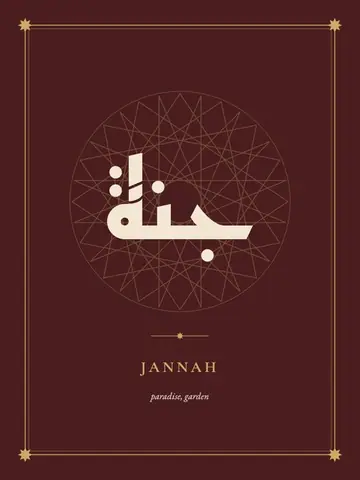 Jannah, paradise, garden (Kufi) Jannah, paradise, garden From £29 Print · Hahnemühle Photo Rag 308 gsm
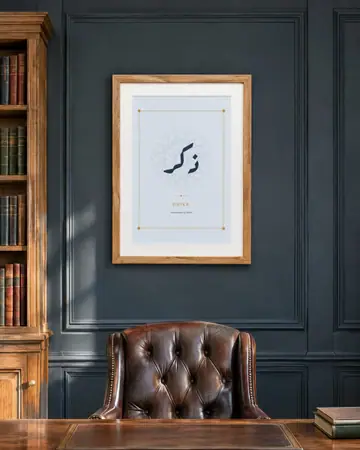
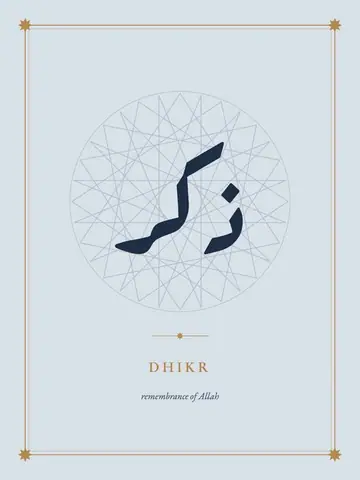 Dhikr, remembrance of Allah (Ruq'ah) Dhikr, remembrance of Allah From £29 Print · Hahnemühle Photo Rag 308 gsm
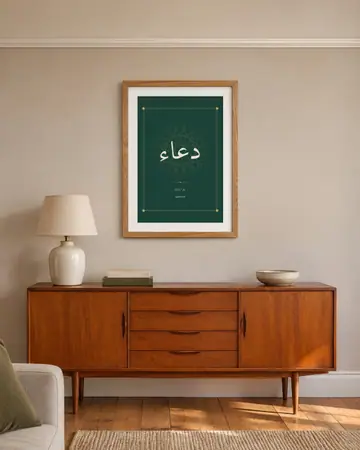
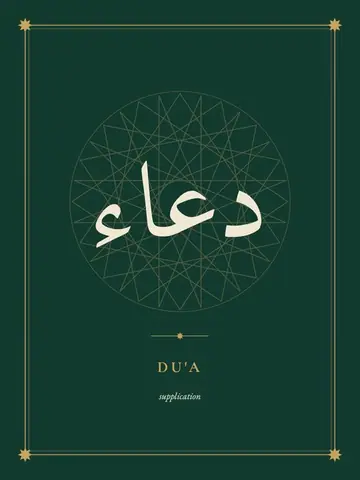 Du'a, supplication (Naskh) Du'a, supplication From £29 Print · Hahnemühle Photo Rag 308 gsm
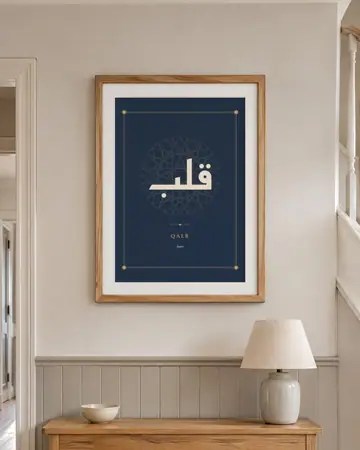
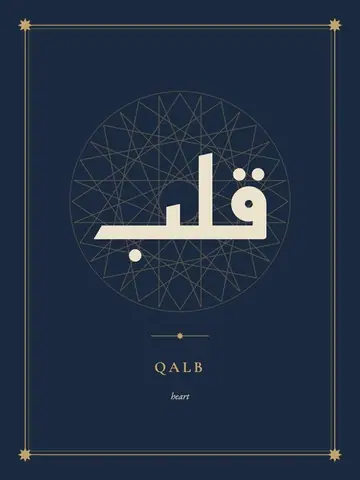 Qalb, heart (Kufi) Qalb, heart From £29 Print · Hahnemühle Photo Rag 308 gsm
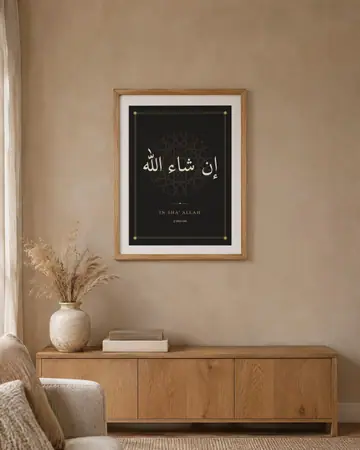
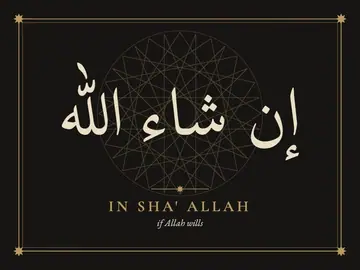
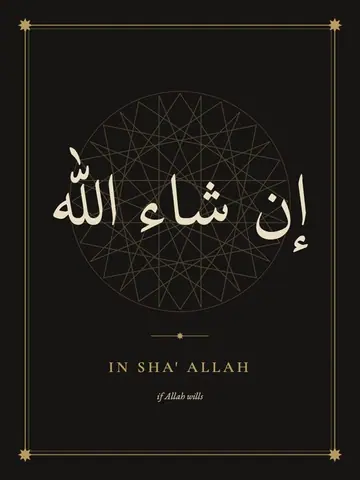 In sha' Allah, if Allah wills (Naskh) In sha' Allah, if Allah wills From £29 Print · Hahnemühle Photo Rag 308 gsm
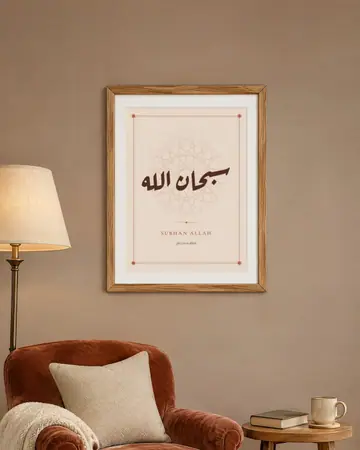
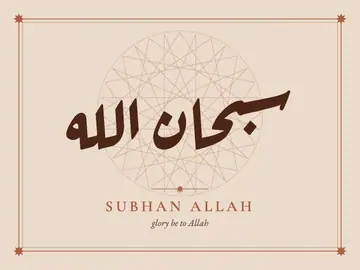
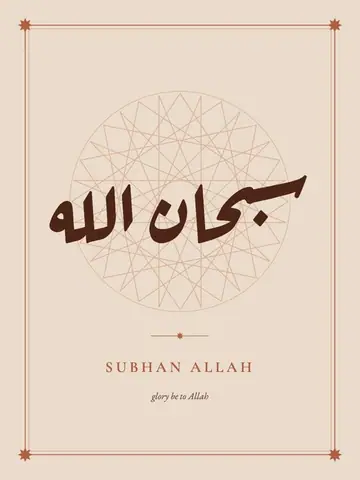 Subhan Allah, glory be to Allah (Ruq'ah) Subhan Allah, glory be to Allah From £29 Print · Hahnemühle Photo Rag 308 gsm
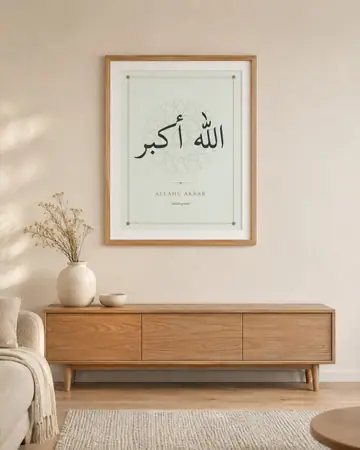
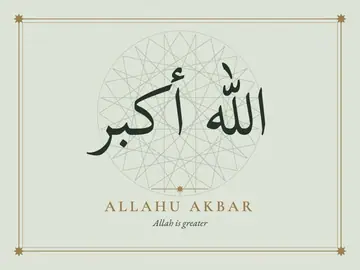
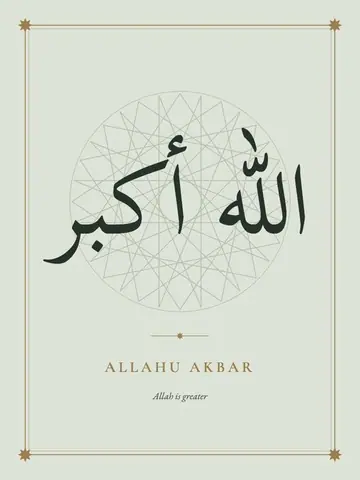 Allahu Akbar, Allah is greater (Naskh) Allahu Akbar, Allah is greater From £29 Print · Hahnemühle Photo Rag 308 gsm
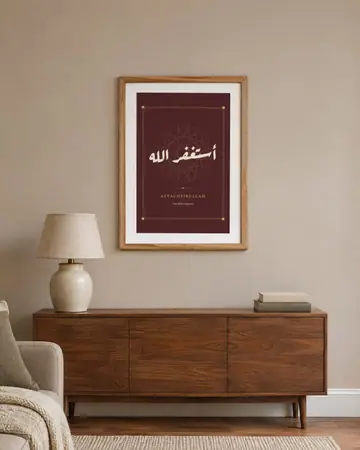
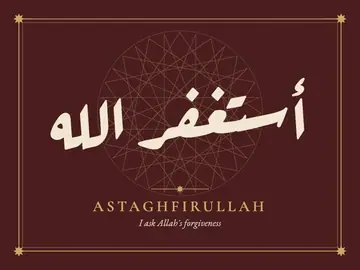
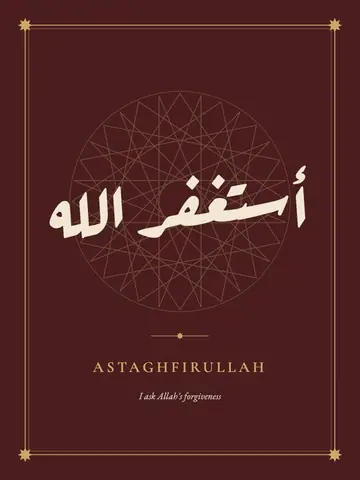 Astaghfirullah, I ask Allah's forgiveness (Ruq'ah) Astaghfirullah, I ask Allah's forgiveness From £29 Print · Hahnemühle Photo Rag 308 gsm
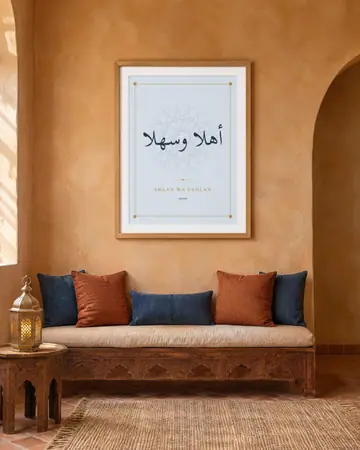
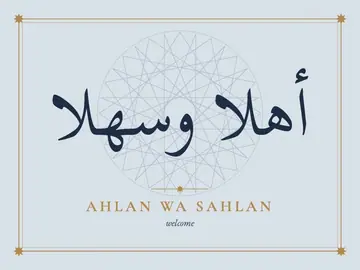
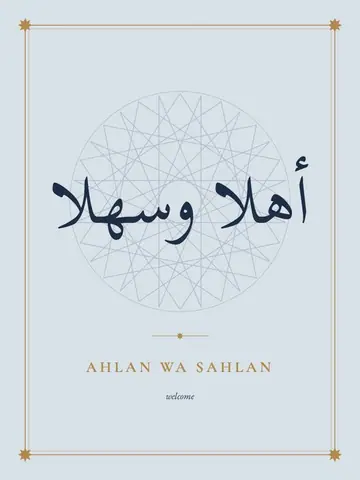 Ahlan wa sahlan, welcome (Naskh) Ahlan wa sahlan, welcome From £29 Print · Hahnemühle Photo Rag 308 gsm
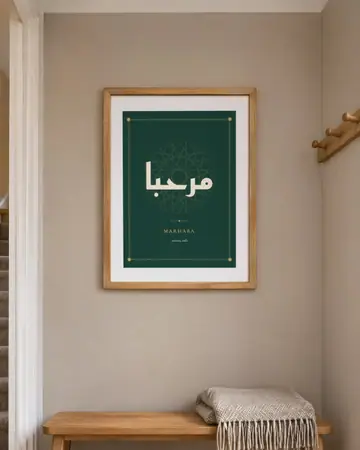
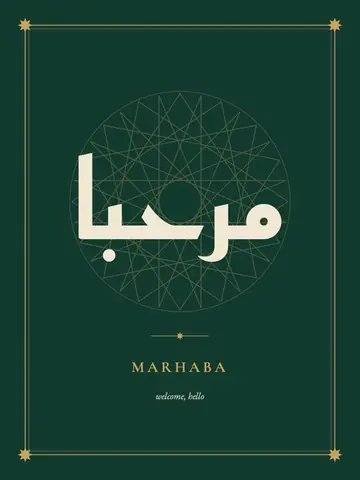 Marhaba, welcome, hello (Kufi) Marhaba, welcome, hello From £29 Print · Hahnemühle Photo Rag 308 gsm
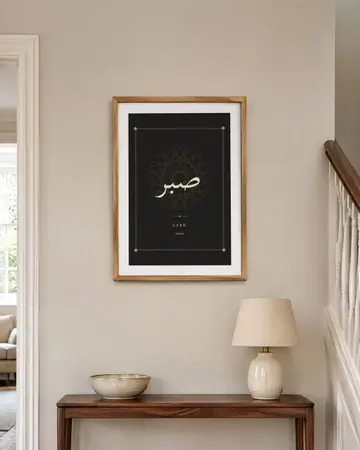
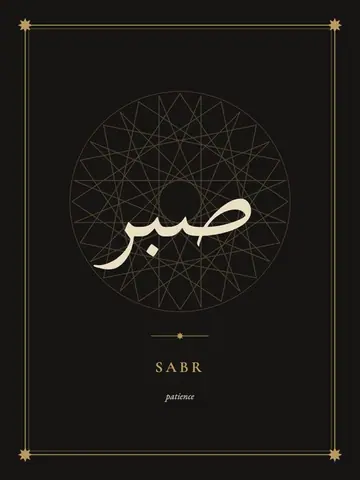 Sabr, patience (gold-tone) Sabr, patience From £29 Print · Hahnemühle Photo Rag 308 gsm
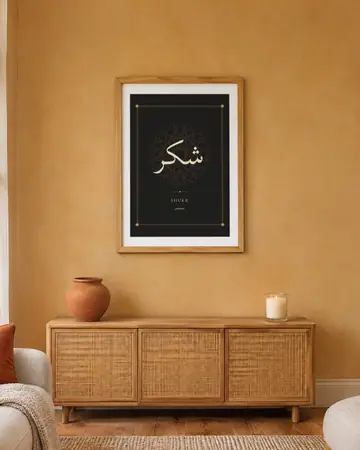
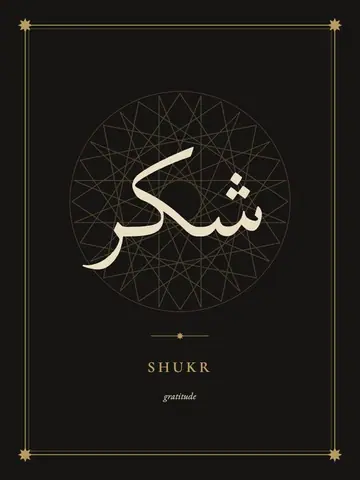 Shukr, gratitude (gold-tone) Shukr, gratitude From £29 Print · Hahnemühle Photo Rag 308 gsm
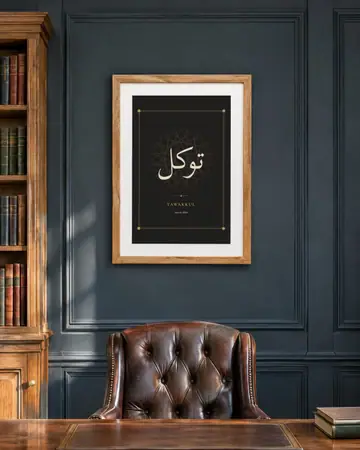
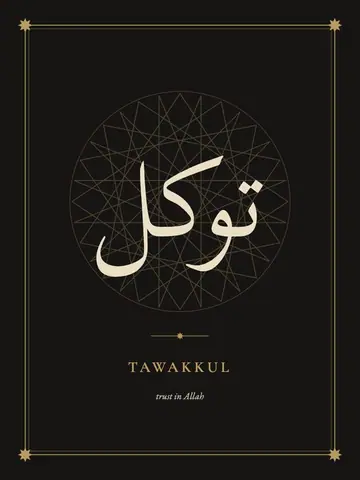 Tawakkul, trust in Allah (gold-tone) Tawakkul, trust in Allah From £29 Print · Hahnemühle Photo Rag 308 gsm

Geometric
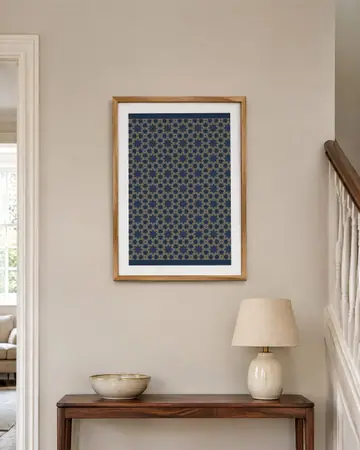
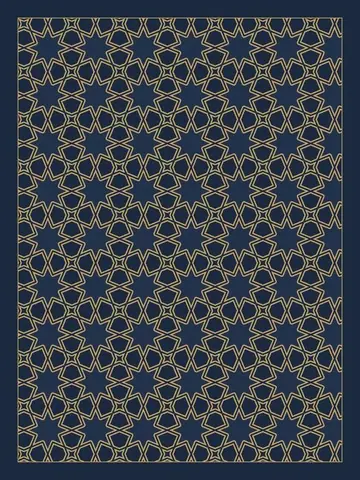 Eight-point star strapwork Khatam star-and-cross strapwork From £29 Print · Hahnemühle Photo Rag 308 gsm
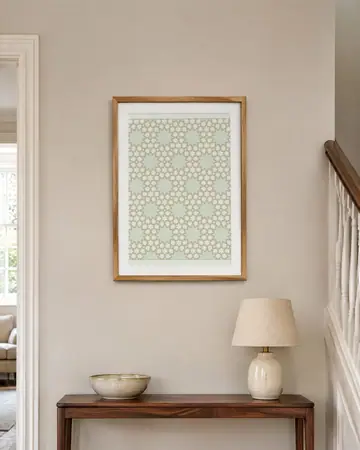
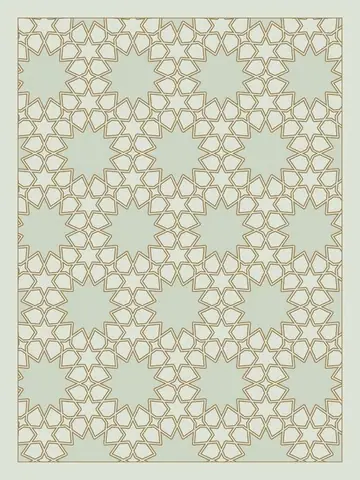 Twelve-point girih 12-fold rosettes on a 4.6.12 grid From £29 Print · Hahnemühle Photo Rag 308 gsm
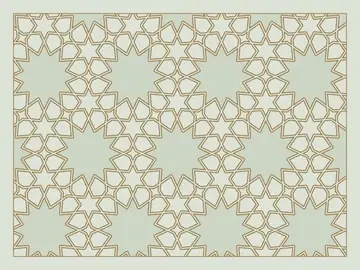
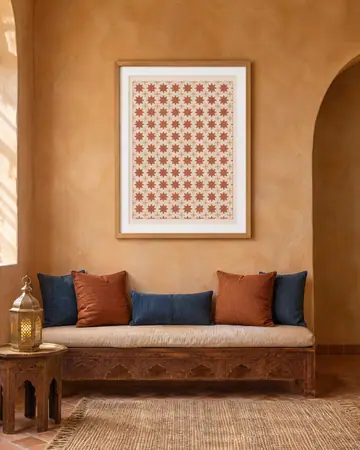
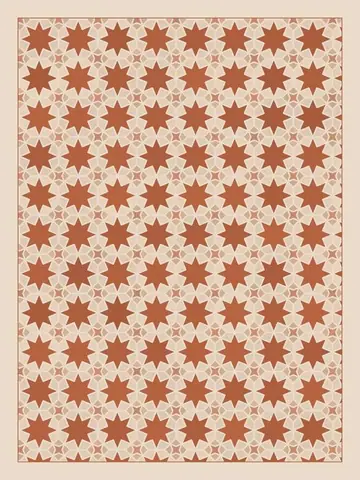 Zellige mosaic Cut-tile mosaic with grout lines From £29 Print · Hahnemühle Photo Rag 308 gsm
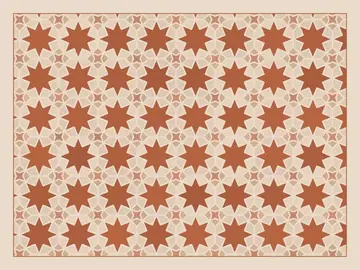
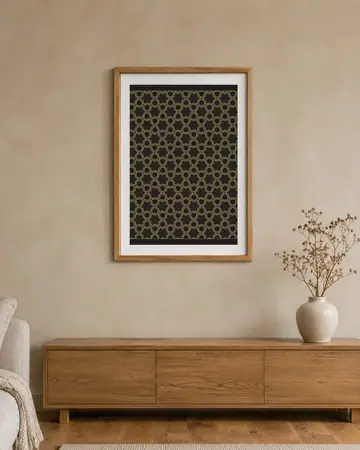
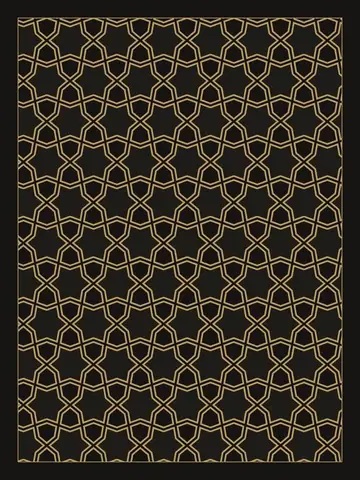 Hexagon interlace Interlaced trefoil lattice on hexagons From £29 Print · Hahnemühle Photo Rag 308 gsm
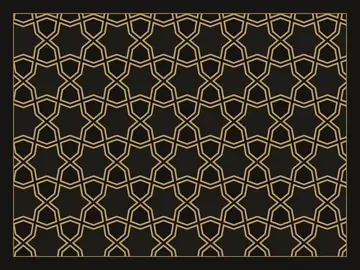
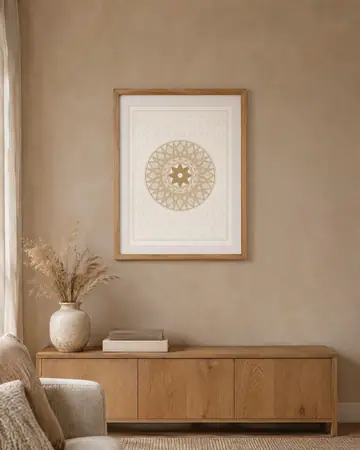
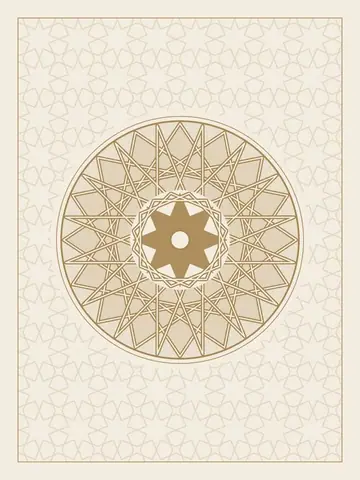 Rosette medallion 16-fold rosette on a star field From £29 Print · Hahnemühle Photo Rag 308 gsm
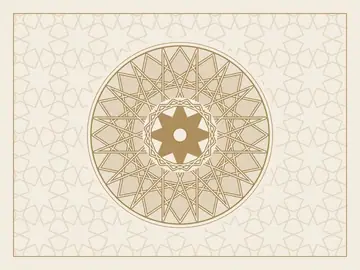
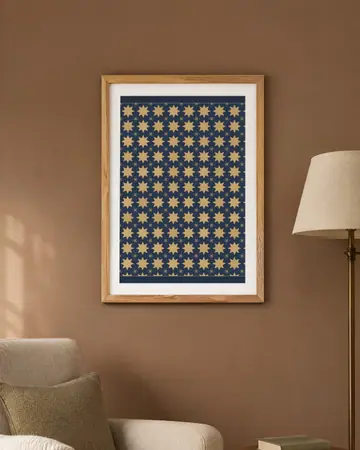
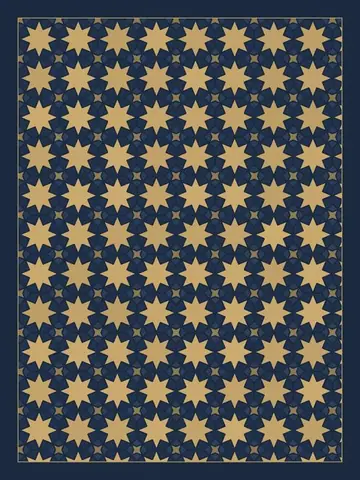 Zellige mosaic, navy Cut-tile mosaic with grout lines From £29 Print · Hahnemühle Photo Rag 308 gsm
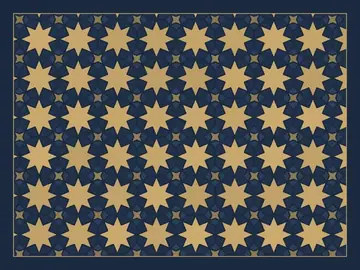
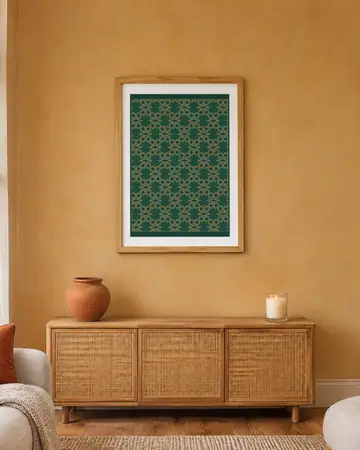
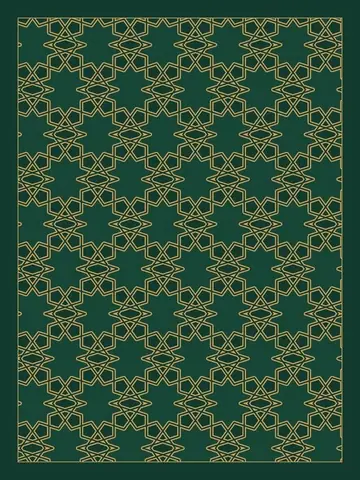 Ten-point star 10-fold stars on decagons and bow-tie hexagons (Hankin, 54°) From £29 Print · Hahnemühle Photo Rag 308 gsm
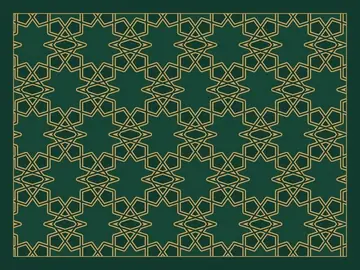
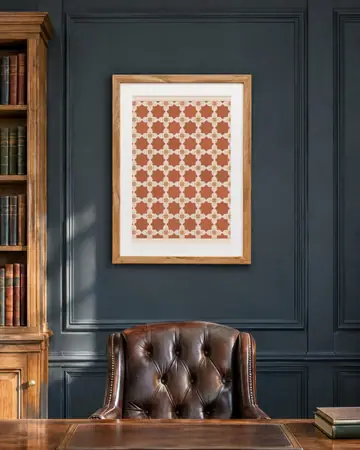
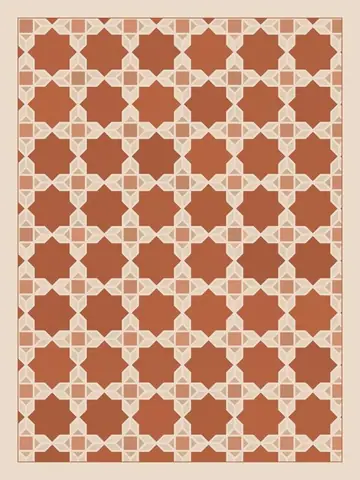 Star and cross tiles Eight-point stars and crosses, as on Ilkhanid and Seljuk tiles From £29 Print · Hahnemühle Photo Rag 308 gsm
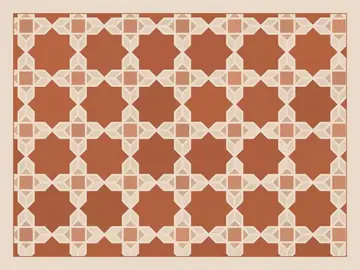
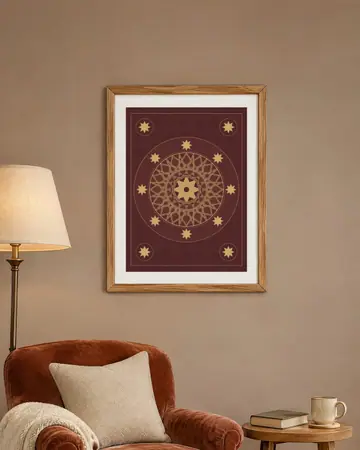
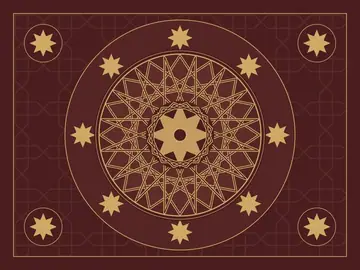
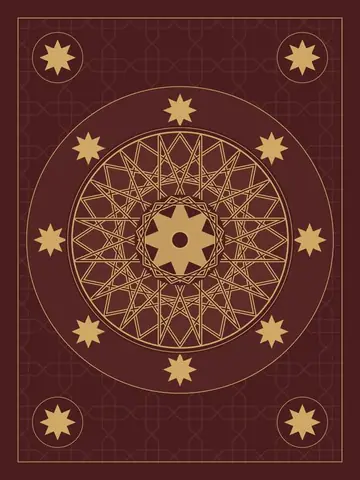 Sixteen-point medallion 16-fold rosette ringed by eight-point stars From £29 Print · Hahnemühle Photo Rag 308 gsm
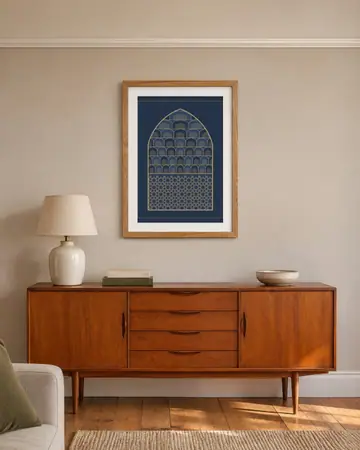
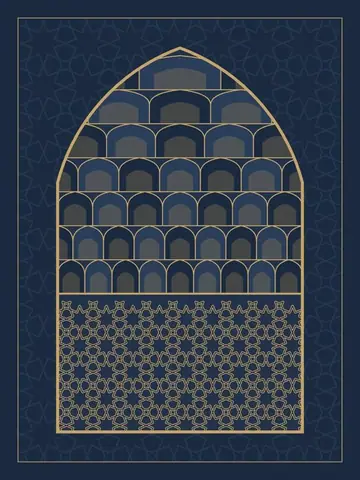 Muqarnas niche Tiered honeycomb cells inside a pointed arch From £29 Print · Hahnemühle Photo Rag 308 gsm
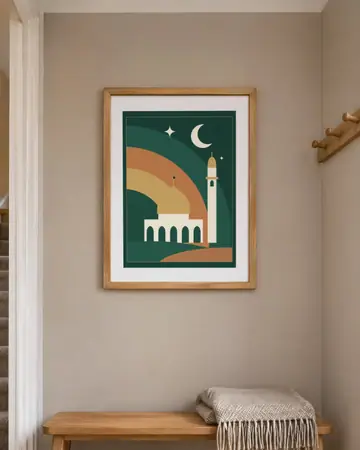
 Mosque skyline, emerald Flat mid-century poster: dome, minaret, crescent and layered arcs From £29 Print · Hahnemühle Photo Rag 308 gsm

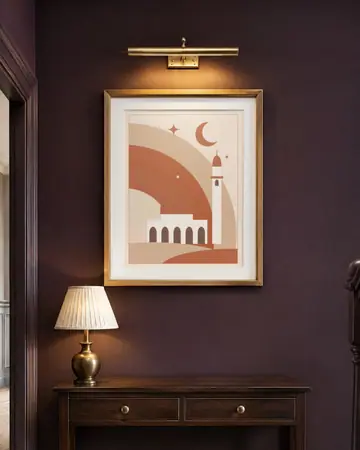
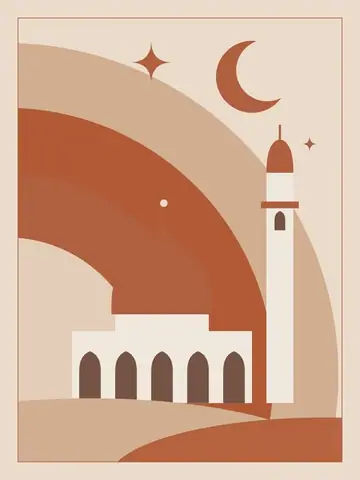 Mosque skyline, terracotta Flat mid-century poster: dome, minaret, crescent and layered arcs From £29 Print · Hahnemühle Photo Rag 308 gsm

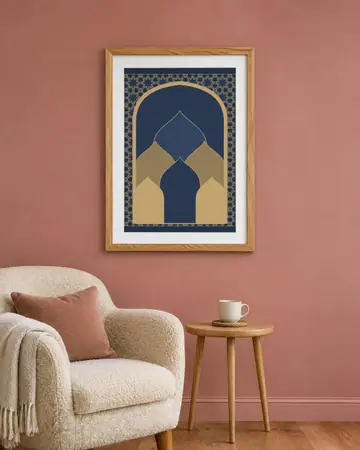
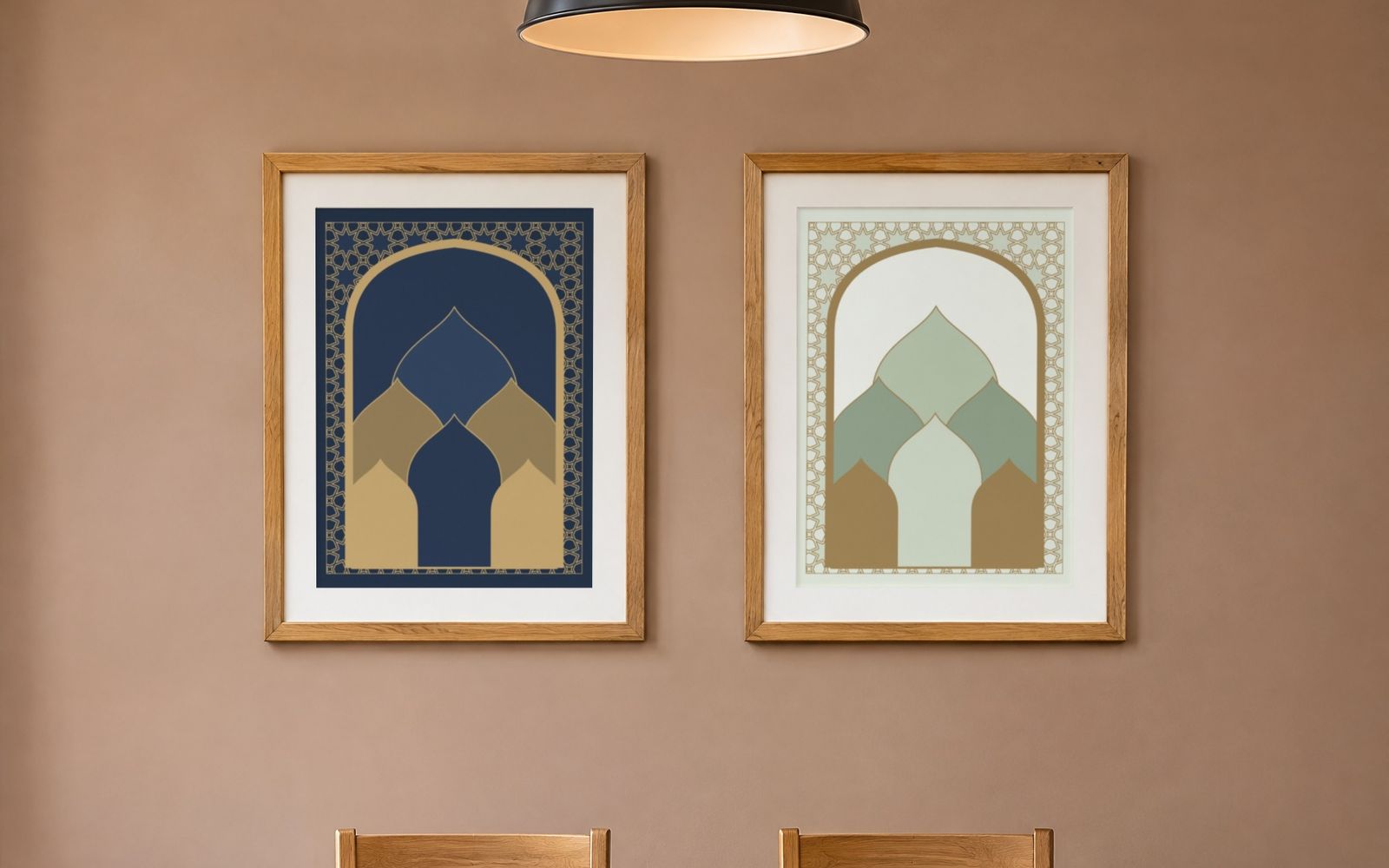
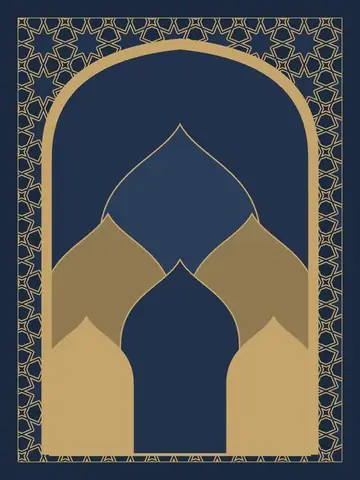 Nested arches, navy Layered pointed arches inside a strapwork border From £29 Print · Hahnemühle Photo Rag 308 gsm
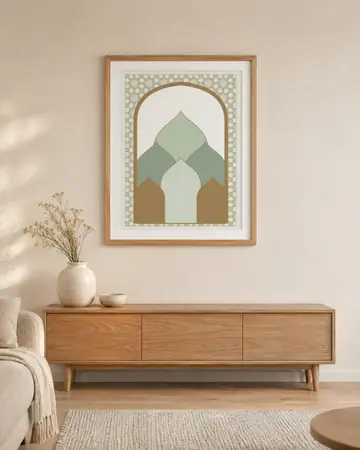
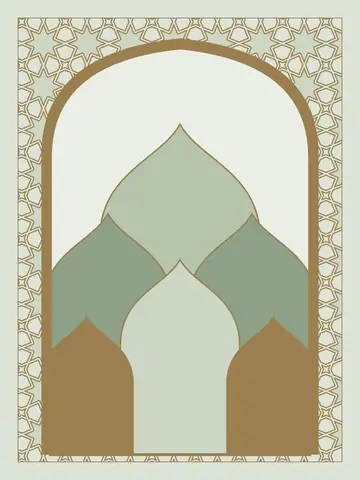 Nested arches, sage Layered pointed arches inside a strapwork border From £29 Print · Hahnemühle Photo Rag 308 gsm
Geometric · Zellige
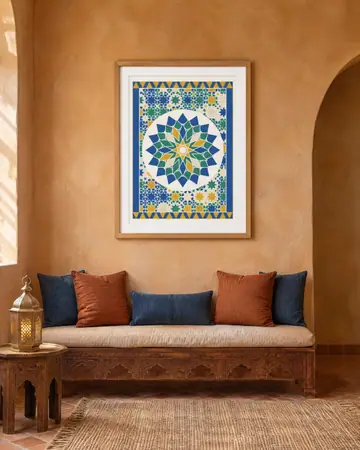
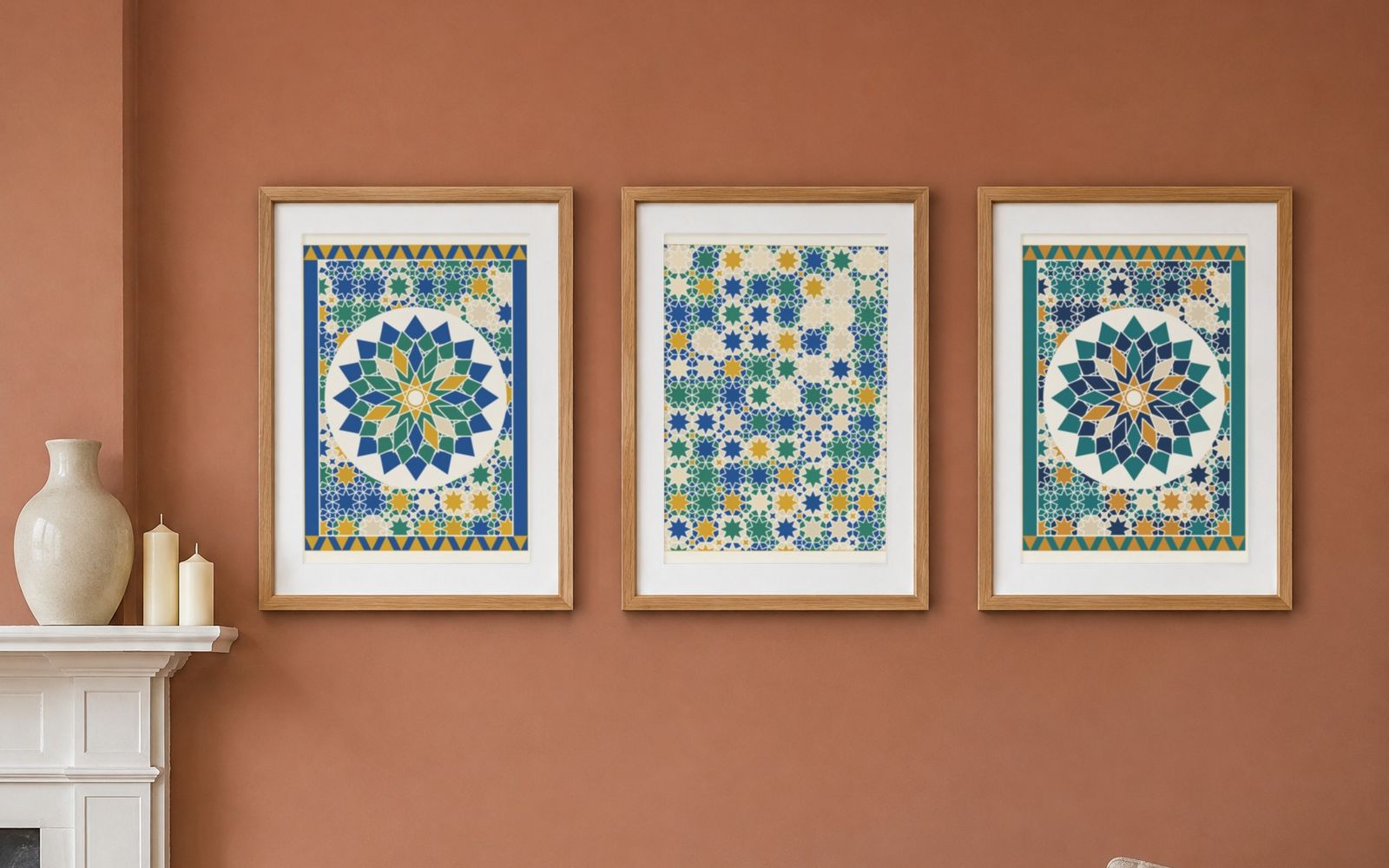
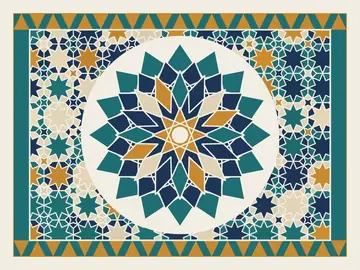
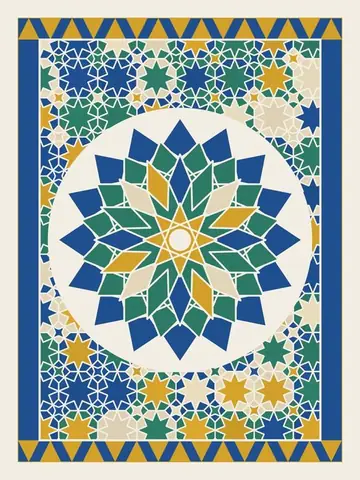 Zellige medallion, cobalt and saffron Cut-tile field with a coloured 16-fold star medallion and a tiled border From £29 Print · Hahnemühle Photo Rag 308 gsm
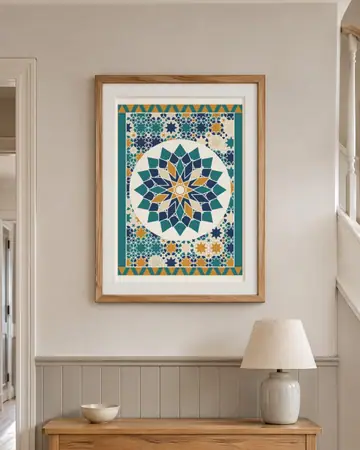
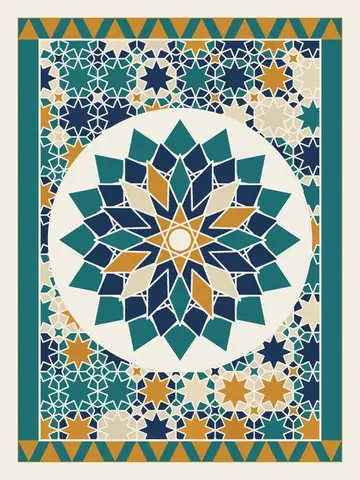 Zellige medallion, teal and navy Cut-tile field with a coloured 16-fold star medallion and a tiled border From £29 Print · Hahnemühle Photo Rag 308 gsm
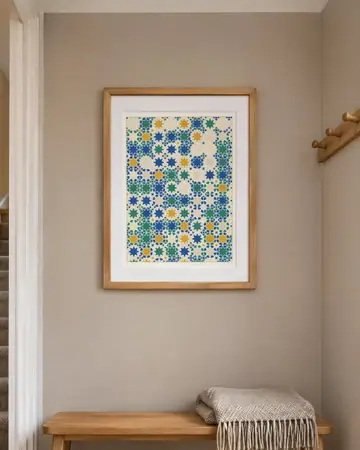
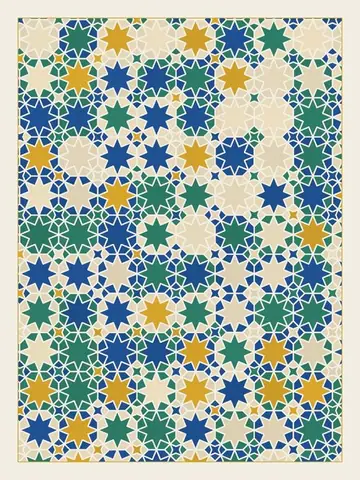 Zellige field, cobalt and green Cut-tile mosaic with grout lines From £29 Print · Hahnemühle Photo Rag 308 gsm
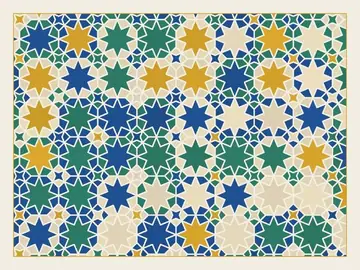
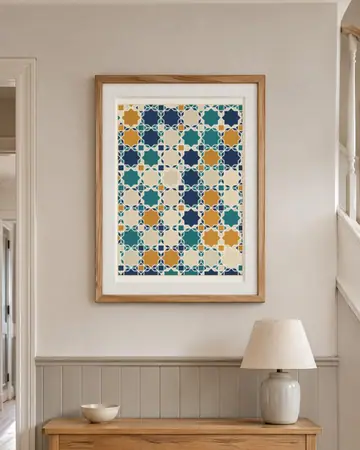
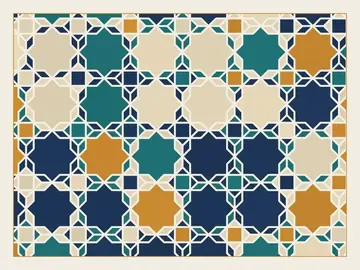
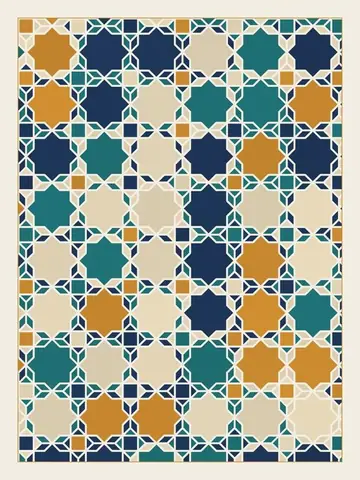 Star and cross tiles, teal Eight-point stars and crosses, as on Ilkhanid and Seljuk tiles From £29 Print · Hahnemühle Photo Rag 308 gsm
Mist
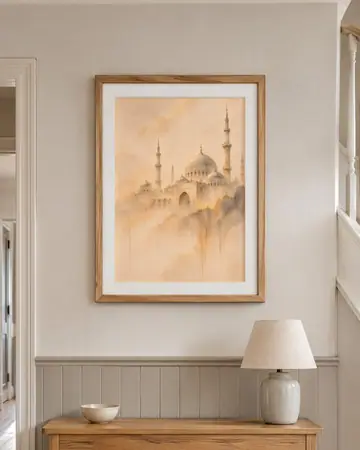
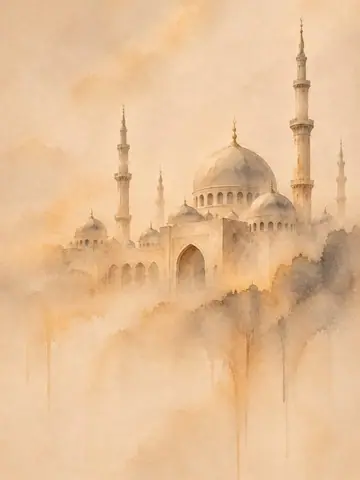 Mosque in mist, warm sand Watercolour, no text From £29 Print · Hahnemühle Photo Rag 308 gsm
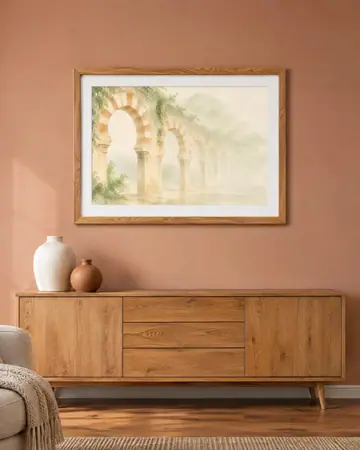
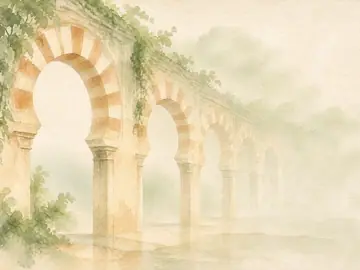 Andalusian arches in mist Watercolour, no text From £29 Print · Hahnemühle Photo Rag 308 gsm
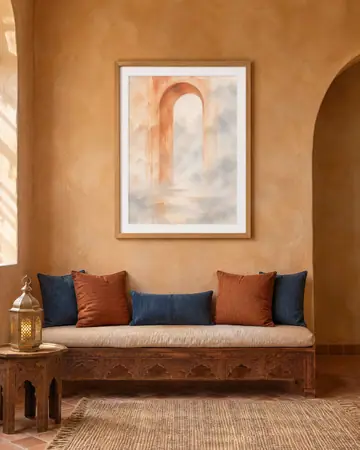
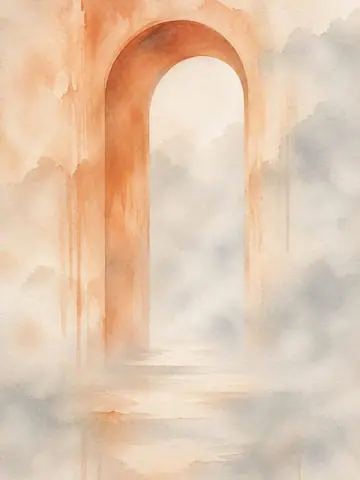 Arch doorway in mist, terracotta Watercolour, no text From £29 Print · Hahnemühle Photo Rag 308 gsm
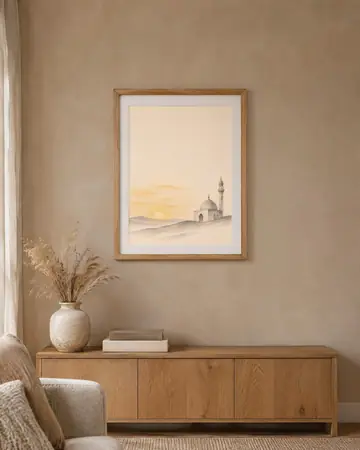
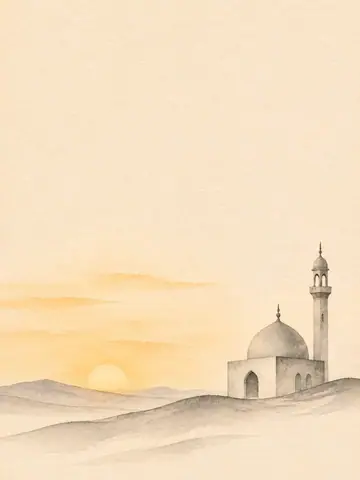 Desert mosque at dawn, ink wash Watercolour, no text From £29 Print · Hahnemühle Photo Rag 308 gsm
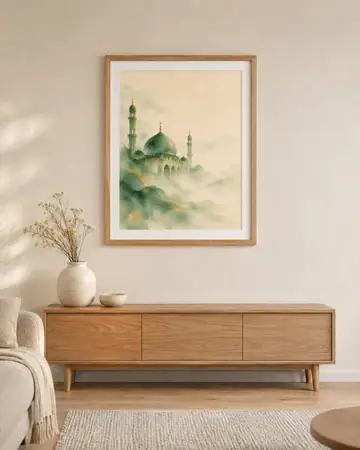
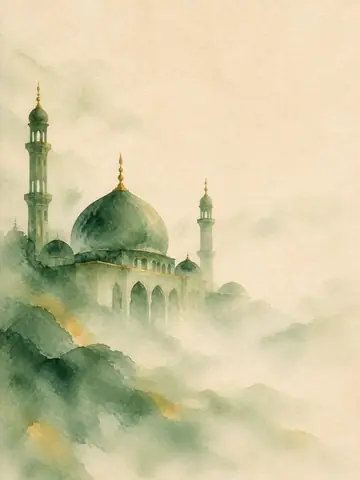 Mosque in mist, deep green Watercolour, no text From £29 Print · Hahnemühle Photo Rag 308 gsm
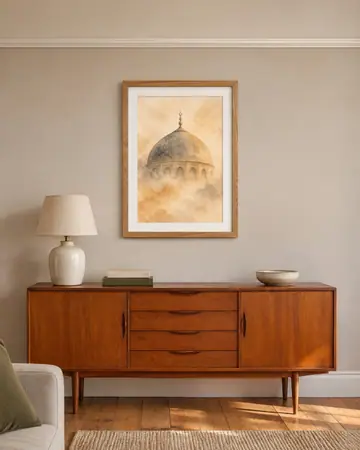
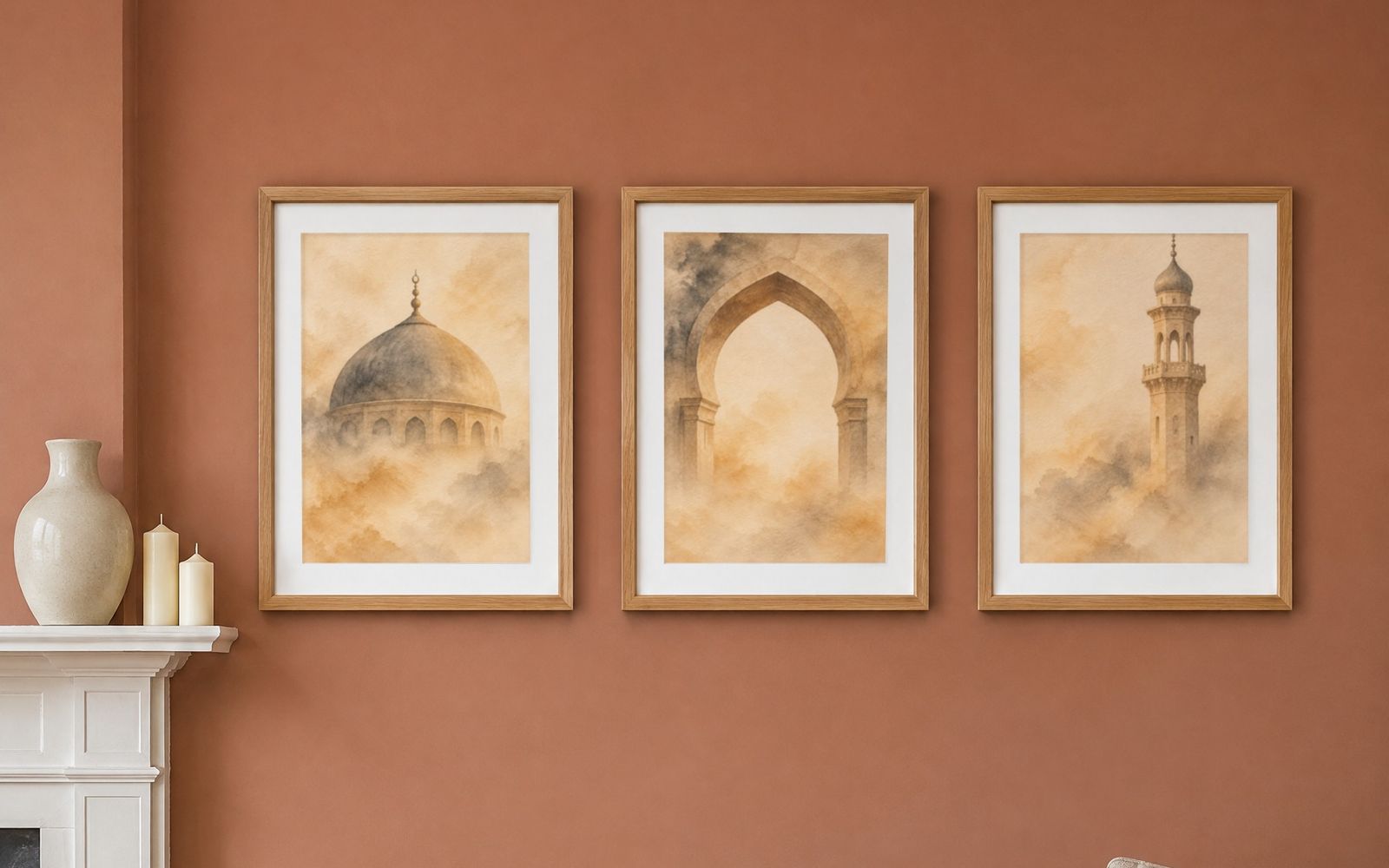
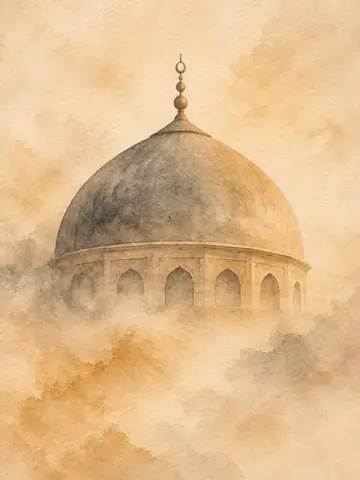 Mist trio: dome Watercolour, no text From £29 Print · Hahnemühle Photo Rag 308 gsm
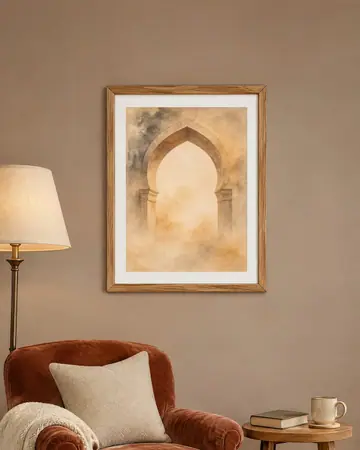
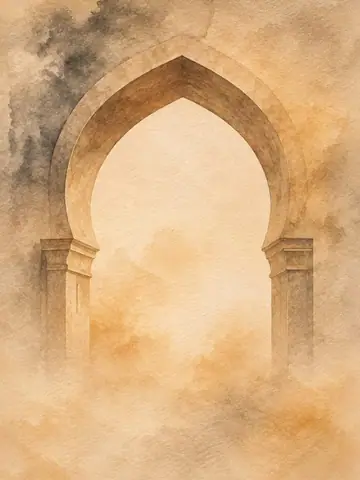 Mist trio: arch Watercolour, no text From £29 Print · Hahnemühle Photo Rag 308 gsm
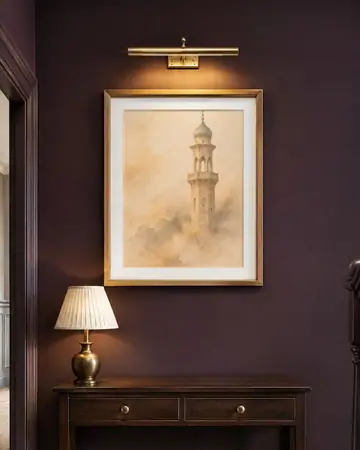
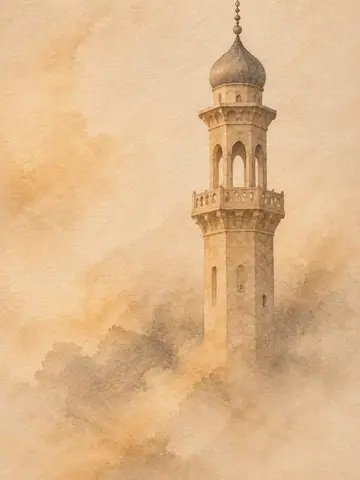 Mist trio: minaret Watercolour, no text From £29 Print · Hahnemühle Photo Rag 308 gsm
Kids
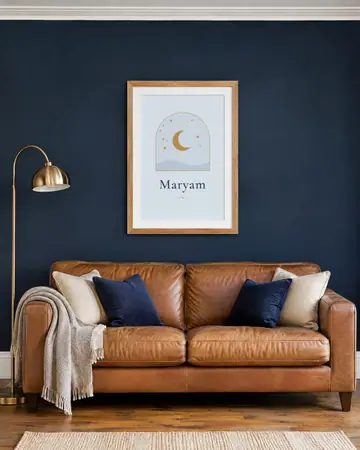
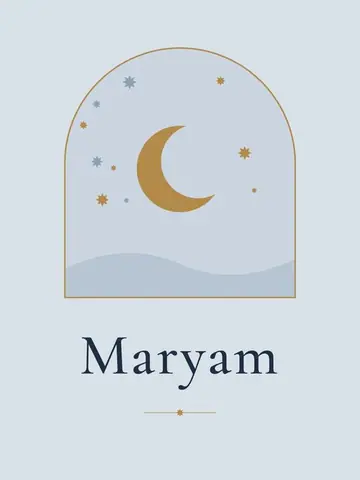 Child's name, dusk blue With their name From £29 Print · Hahnemühle Photo Rag 308 gsm
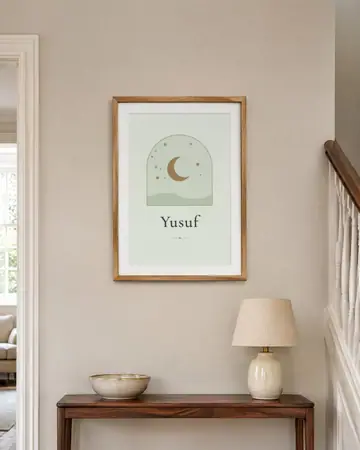
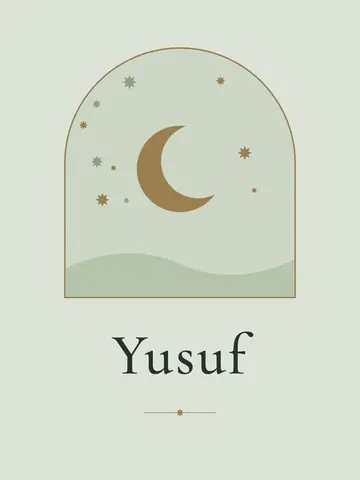 Child's name, sage With their name From £29 Print · Hahnemühle Photo Rag 308 gsm
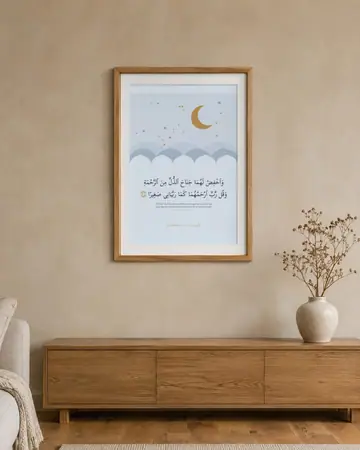
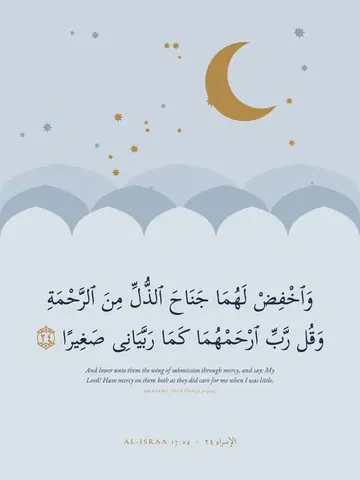 Du'a for parents, night sky Al-Israa 17:24 From £29 Print · Hahnemühle Photo Rag 308 gsm
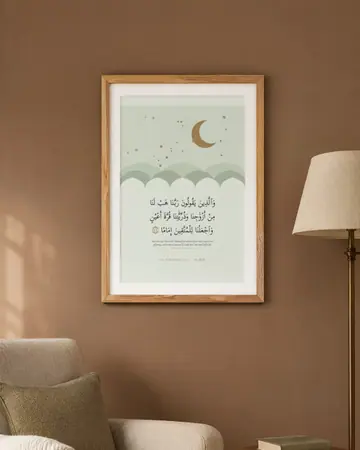
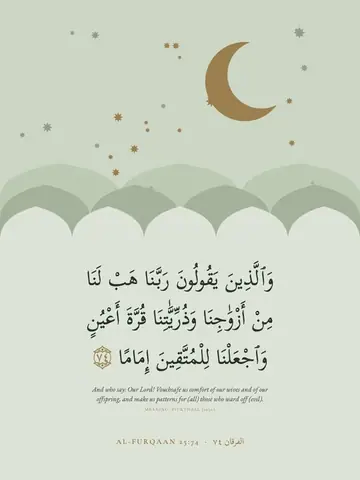 Comfort of our eyes, night sky Al-Furqaan 25:74 From £29 Print · Hahnemühle Photo Rag 308 gsm
Nothing here yet.
Wall sets
Framed wall sets
Two to five framed pieces, one price for the set. Open one in the planner to swap a design or move a frame.